About the Place
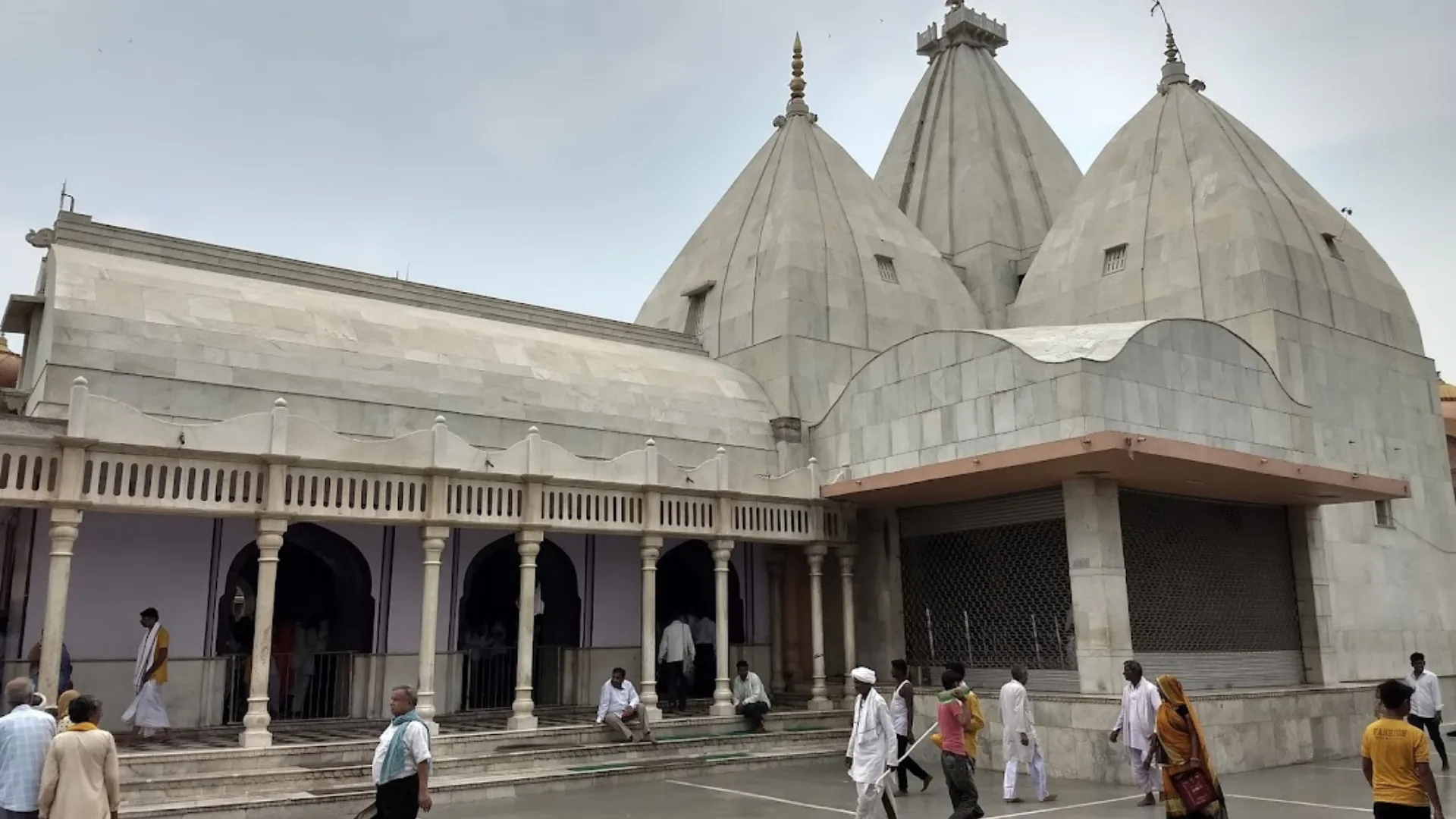
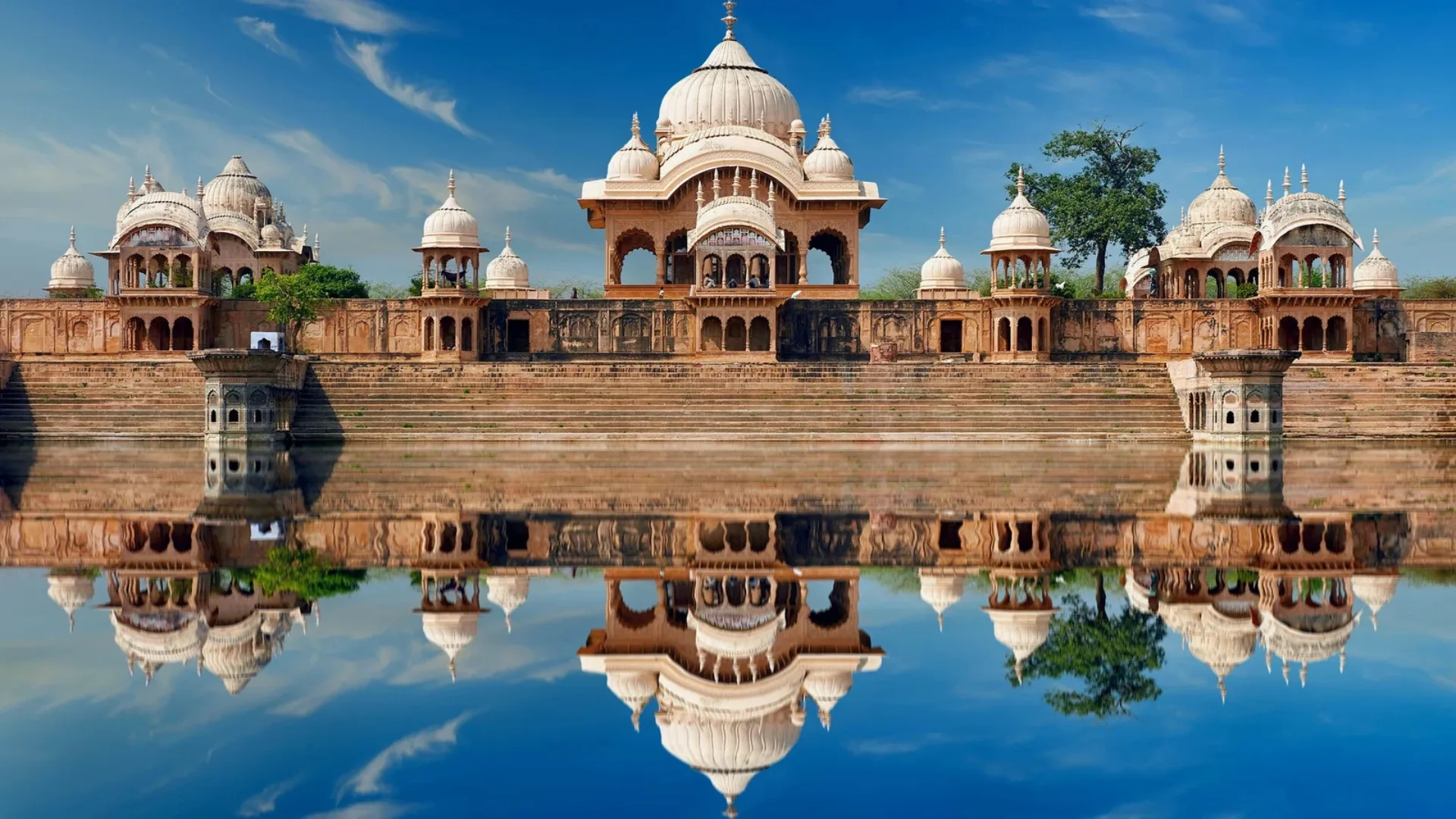
Mathura and Vrindavan in Uttar Pradesh are the heart of Braj
Bhoomi—the birthland of Lord Krishna and his youth. Mathura is
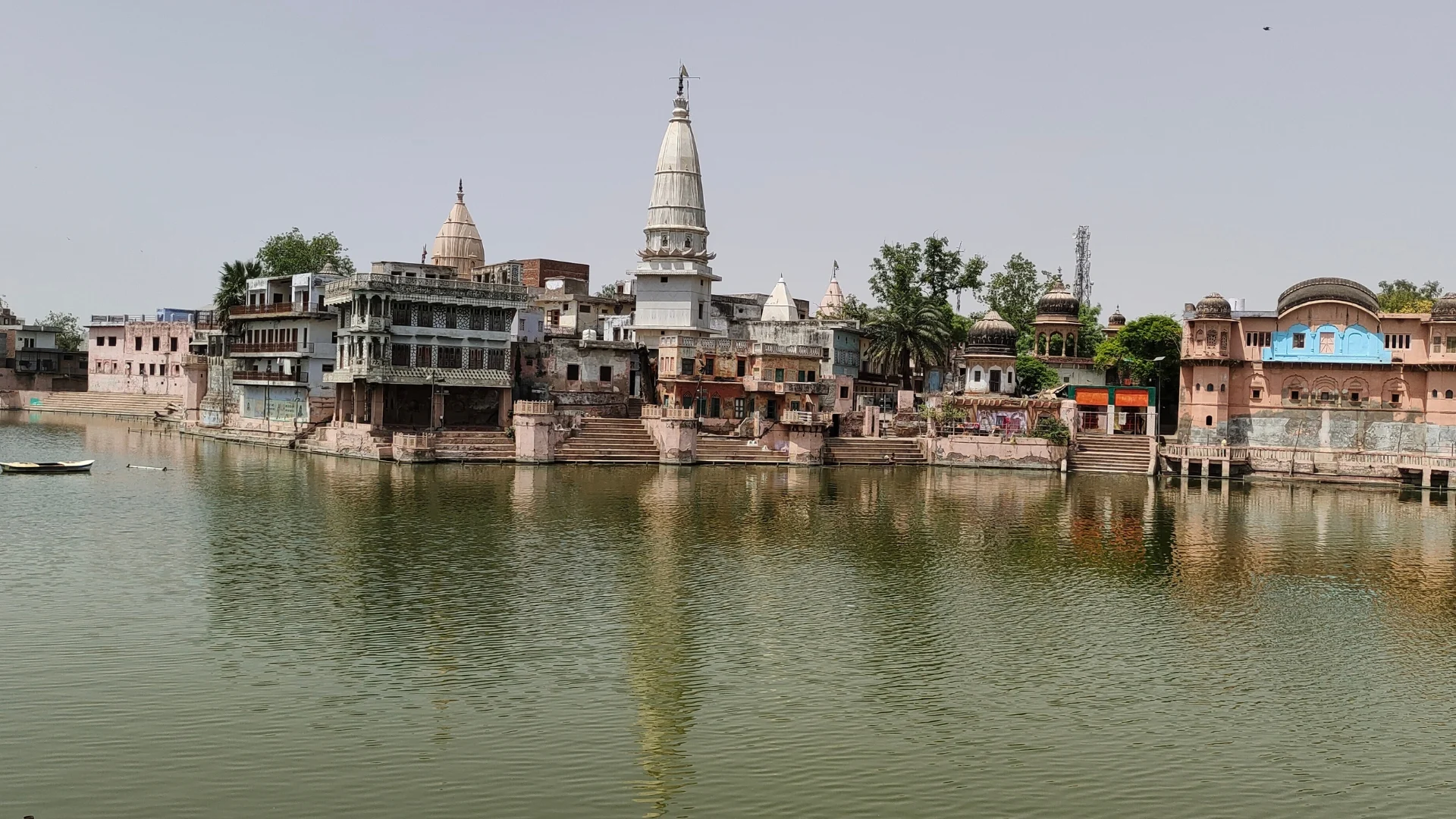
considered the city where Krishna was born and is scattered with
temples and ghats like Sri Krishna Janmasthan and Vishram Ghat. A few
kilometers away, Vrindavan lies, which houses elegant temples like
Banke Bihari, ISKCON, and Prem Mandir.
The land echoes with the stories of Krishna's life: his childhood
pranks, divine leelas, and love tales with Radha. And with the
surrounding places like Gokul, Nandgaon, and Barsana, it gets even
more exciting. Each town carries its own divine allure, drawing divine
entities, spiritual seekers, and curious travelers from all over the
world. With its serene ghats, sanctified temples, and rich culture,
this region exists in real life as a reminder of the stories narrated
in ancient scriptures, such as the Bhagavad Gita and Srimad
Bhagavatam.
Rich Heritage and History of the Region
In Hinduism, Mathura is among the seven sacred cities, considered the
birthplace of Lord Krishna, who was born there over 5,000 years ago in
a prison cell. Due to the historic and religious importance of this
region, the place has served as a major pilgrimage center for ages.
Equally vital is Vrindavan, where Krishna spent his childhood. It is
believed that Krishna performed numerous sacred leelas here, dancing
with the gopis and butter-lifting included. Throughout history,
temples were thus built commemorating these stories, turning the town
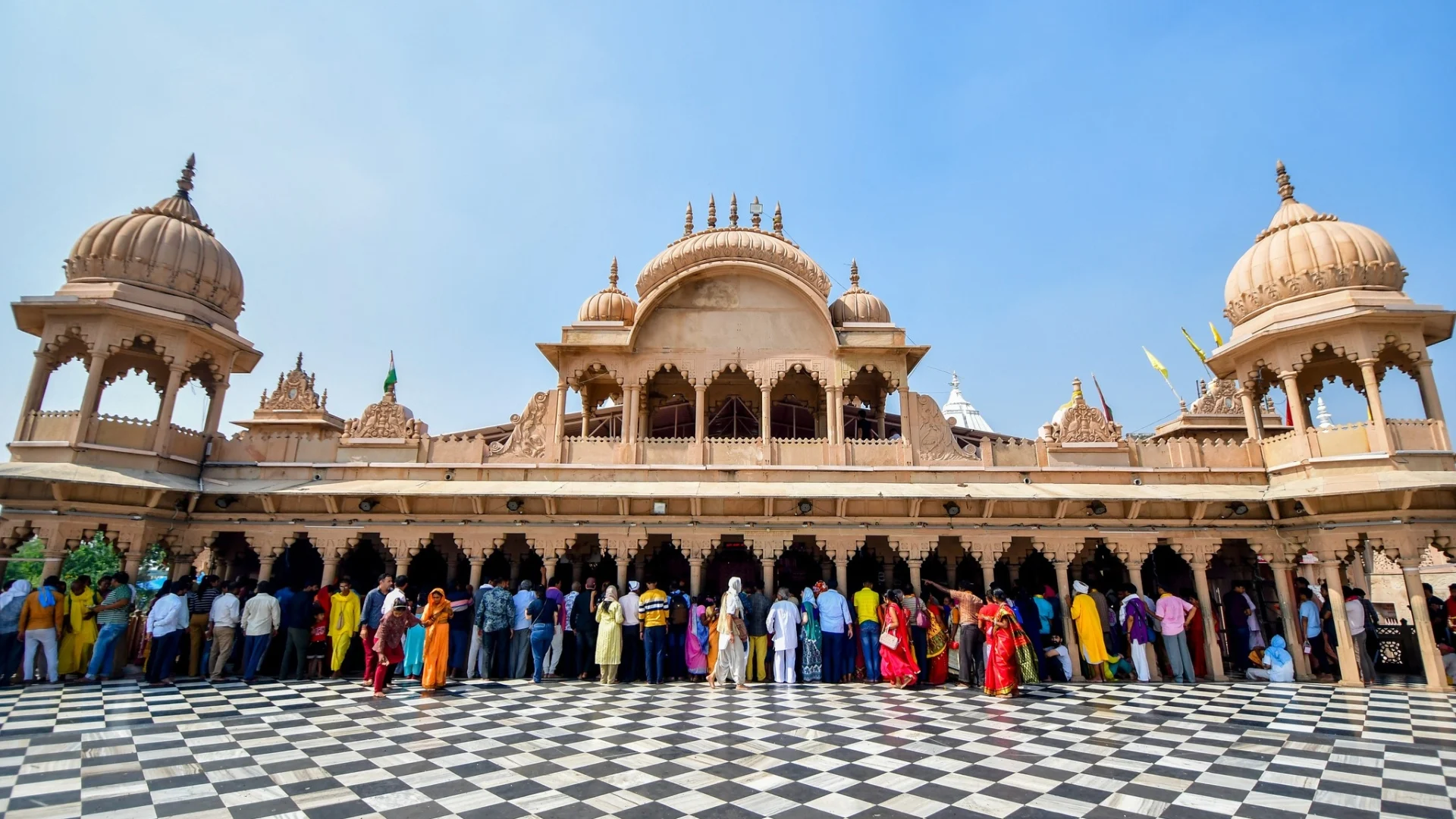
into a spiritual hub. The Banke Bihari Temple, dating from the 19th
century, and the ISKCON Temple, founded during the 1970s, are among
the most visited.
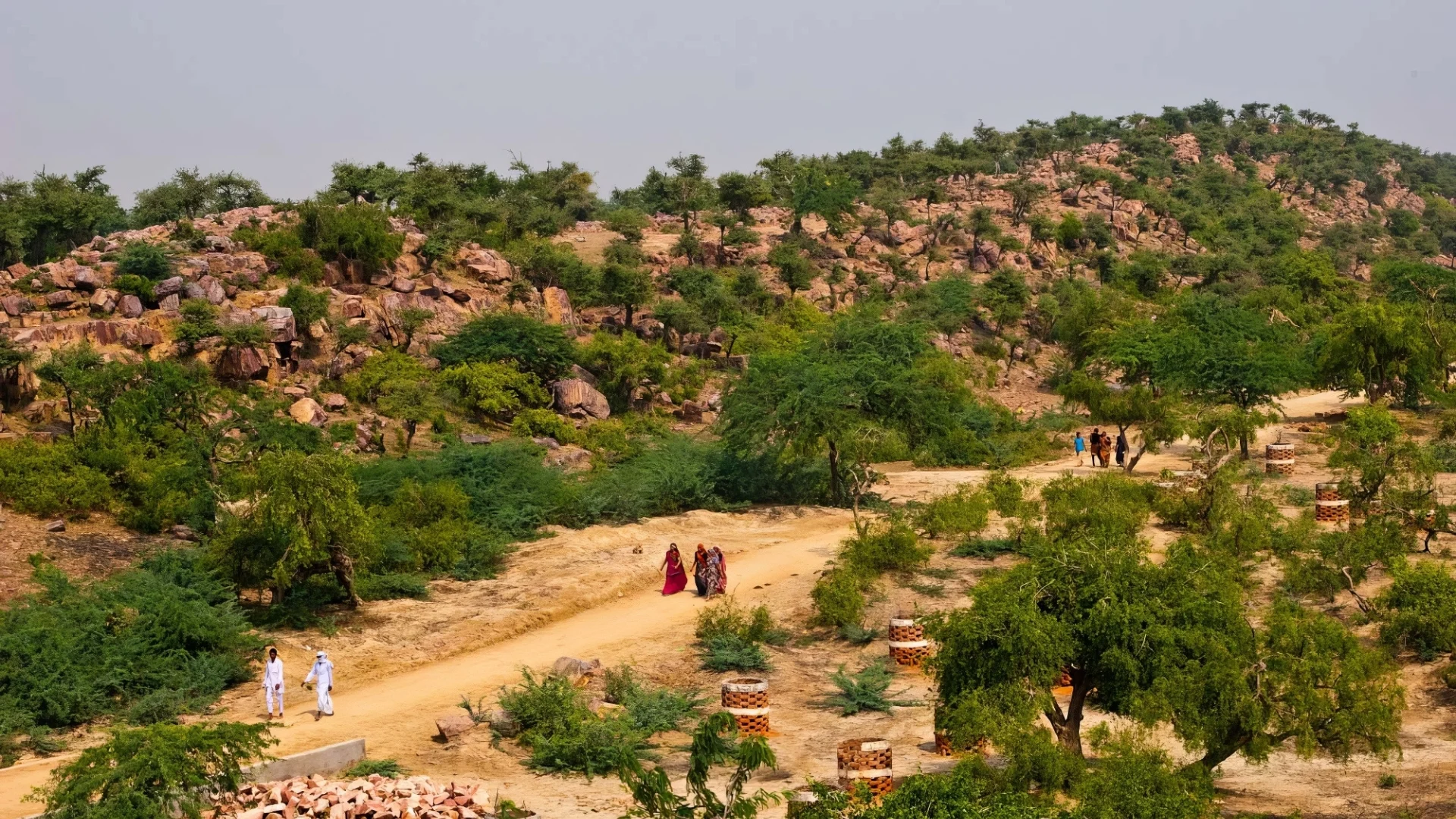
Gokul, Barsana, and Goverdhan, smaller towns nearby, are also steeped
in Krishna's mythology. One legend holds that Krishna lifted Govardhan
Hill to shelter the villagers from torrential rains sent down by
Indra. Barsana is the village of Radha, while Nandgaon is where
Krishna's foster parents once lived.
Together, these towns are living manifestations of the Krishna bhakti
tradition, offering a deep spiritual experience to every visitor.
Best Time to Visit This Spiritual & Cultural Circuit
The best period for visiting Mathura-Vrindavan is between October and
March, when the weather is not too hot and pleasant. Winter adds a
tranquil charm with foggy mornings and ideal weather for
temple-hopping or just meandering on the banks of the river.
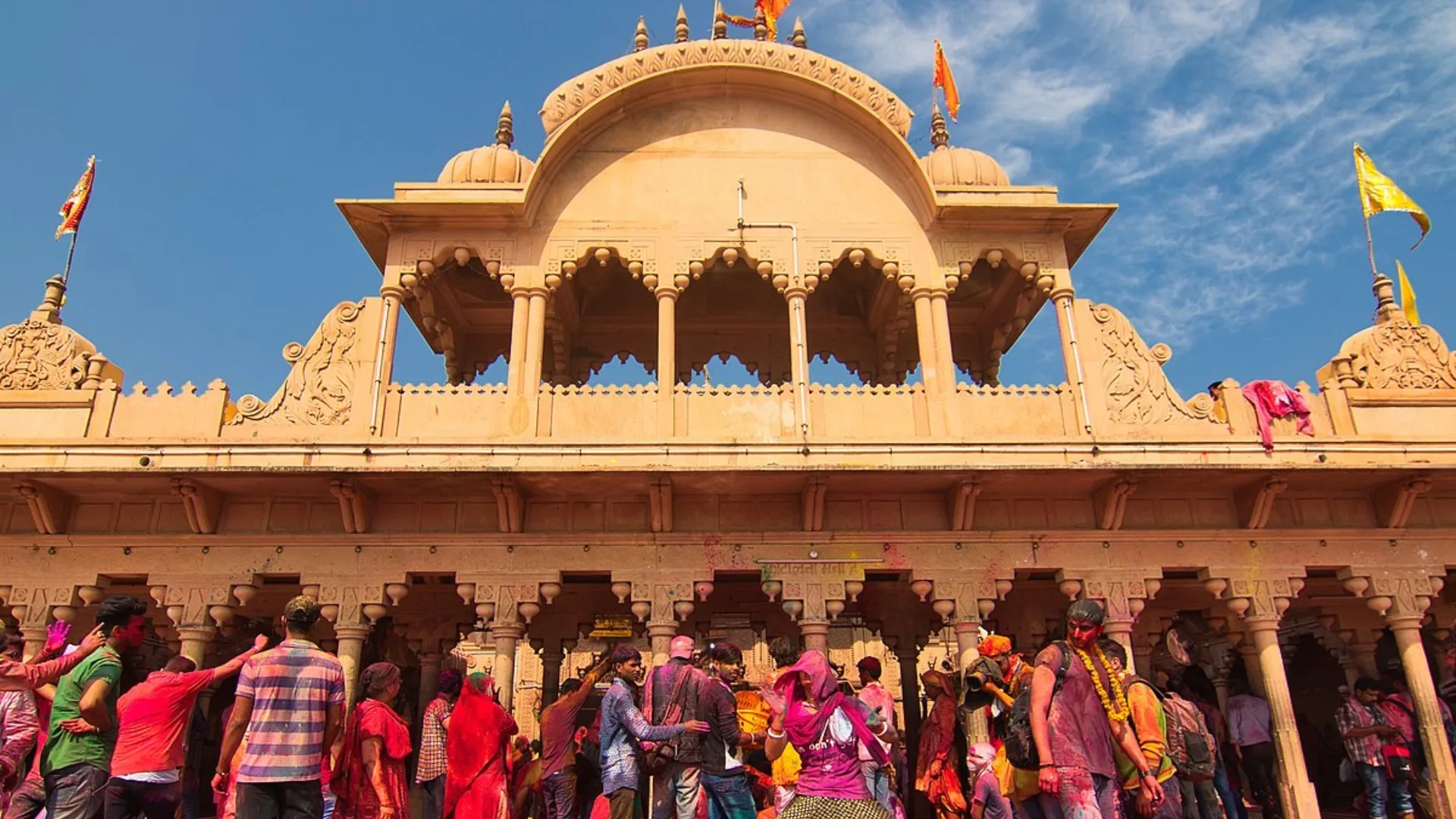
The festive seasons are lively during Janmashtami (Krishna's birth)
and Holi. Barsana Lathmar Holi and Phoolon ki Holi of Vrindavan draw
large crowds of worshippers and tourists alike. It is during these
months that colorful chants and cultural shows level up the devotional
energy of the region. However, avoid summers (April-June) because of
soaring temperatures up to 45°C, which are very uncomfortable for
outdoor sightseeing.
Paradoxically, the monsoons bring scattered showers, making the place
greener, but would curtail your plans due to slippery roads and the
closing of temples. For a tranquil experience, one must visit during
the off-peak months of November or February, preferably on weekdays.
The early mornings or evenings are the perfect times to walk through
the temples and ghats while a plethora of devotional activities take
place.
Best Food to Try
Being a holy destination, Mathura-Vrindavan is entirely vegetarian,
and most food is satvik (pure and without onion-garlic). Local cuisine
includes traditional North Indian dishes with a unique spiritual
flavor.
Try the Mathura Peda, a sweet made from khoya (thickened milk), which
is a must-have for every visitor. You’ll also find delicious
Kachori-Sabzi, Aloo Puri, and Lassi served at almost every corner.
These dishes are filling, flavorful, and easy on the stomach.
Vrindavan offers similar delights, with a mix of street food stalls
and spiritual cafes. Many restaurants, especially near ISKCON, are run
by devotees and serve international-style vegetarian food like pasta,
thalis, and herbal teas.
During the tour, your hotel will provide breakfast, and for
lunch/dinner, you can opt for clean and trusted local eateries
offering hygienic, affordable meals. Most places serve food on
eco-friendly leaf plates with an emphasis on cleanliness.
For a spiritual treat, visit ISKCON Govinda's Restaurant, known for
its divine ambiance and healthy meals. Also, try the fresh fruits and
snacks near Prem Mandir—perfect for a quick bite.
Tips for Planning
-
Start Early: Days start early in Braj Bhoomi. To make the most of
the day, plan to leave around 6:00 AM from Delhi.
-
Dress Modestly: Wear comfortable, modest clothes, especially when
entering temples. Shoes must be removed before entering the temple
premises.
-
Stay Hydrated: Carry a refillable water bottle. Clean water is
available, but it’s best to keep some with you.
-
Local Guides: Hire local guides at spots like Gokul or Goverdhan for
deeper historical and mythological insights.
-
Photography: Avoid taking pictures inside temples unless explicitly
allowed.
-
Footwear: Carry slip-on footwear. You’ll be removing shoes
frequently.
-
Cash & Connectivity: While digital payments are accepted, keep
some cash handy for small purchases and donations. Network coverage
is generally good.
-
Crowds: Try to visit major temples early morning or late afternoon
to avoid peak crowds.
-
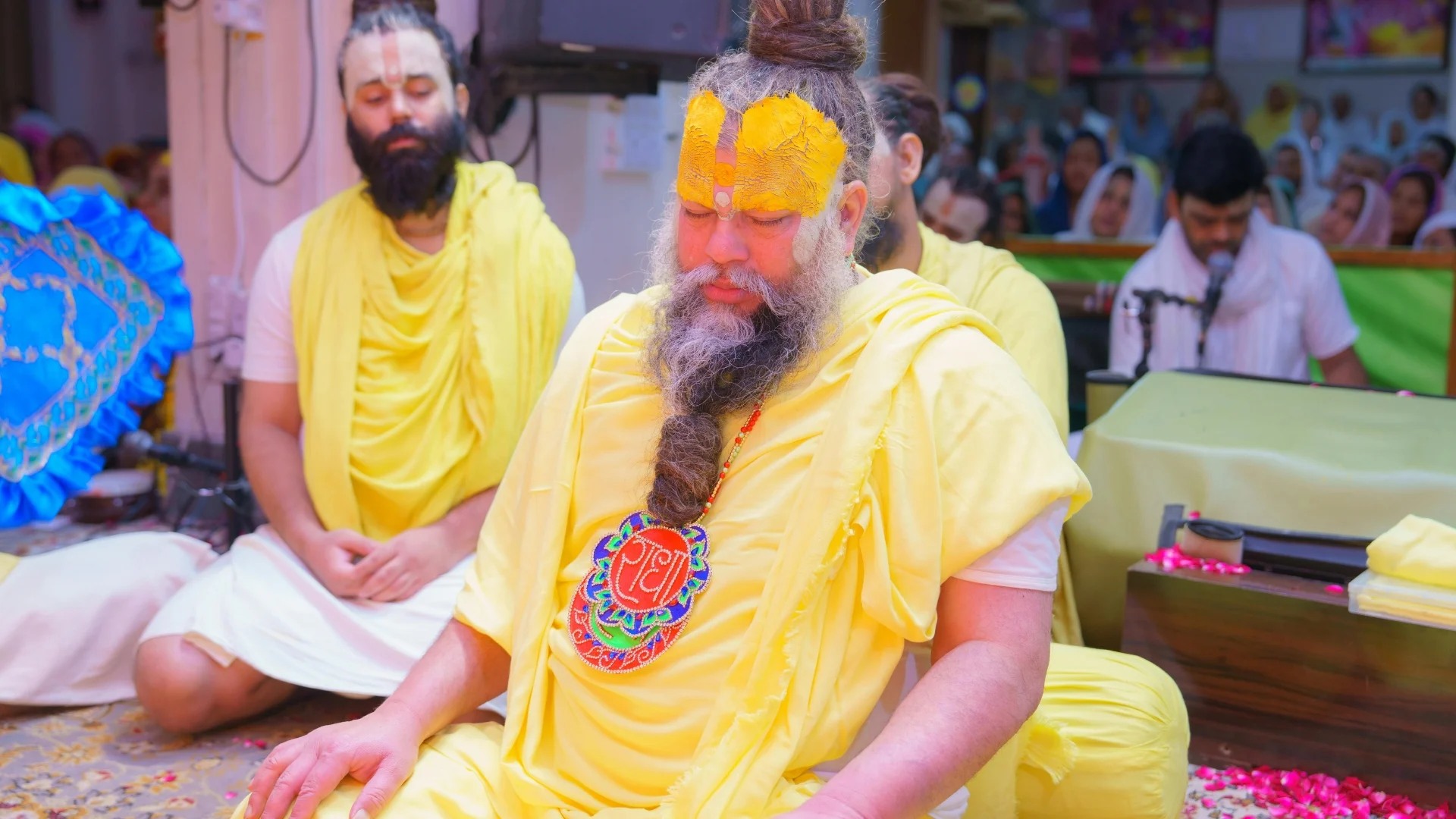
Respect Rituals: Participate respectfully in aartis or kirtans even
if you're not familiar with them—it’s part of the spiritual charm.
-
Customize If Needed: Let your tour operator know if you’d like to
skip a temple or spend more time somewhere.