Discover the Divine Charm of Mathura, Vrindavan, Gokul & Govardhan
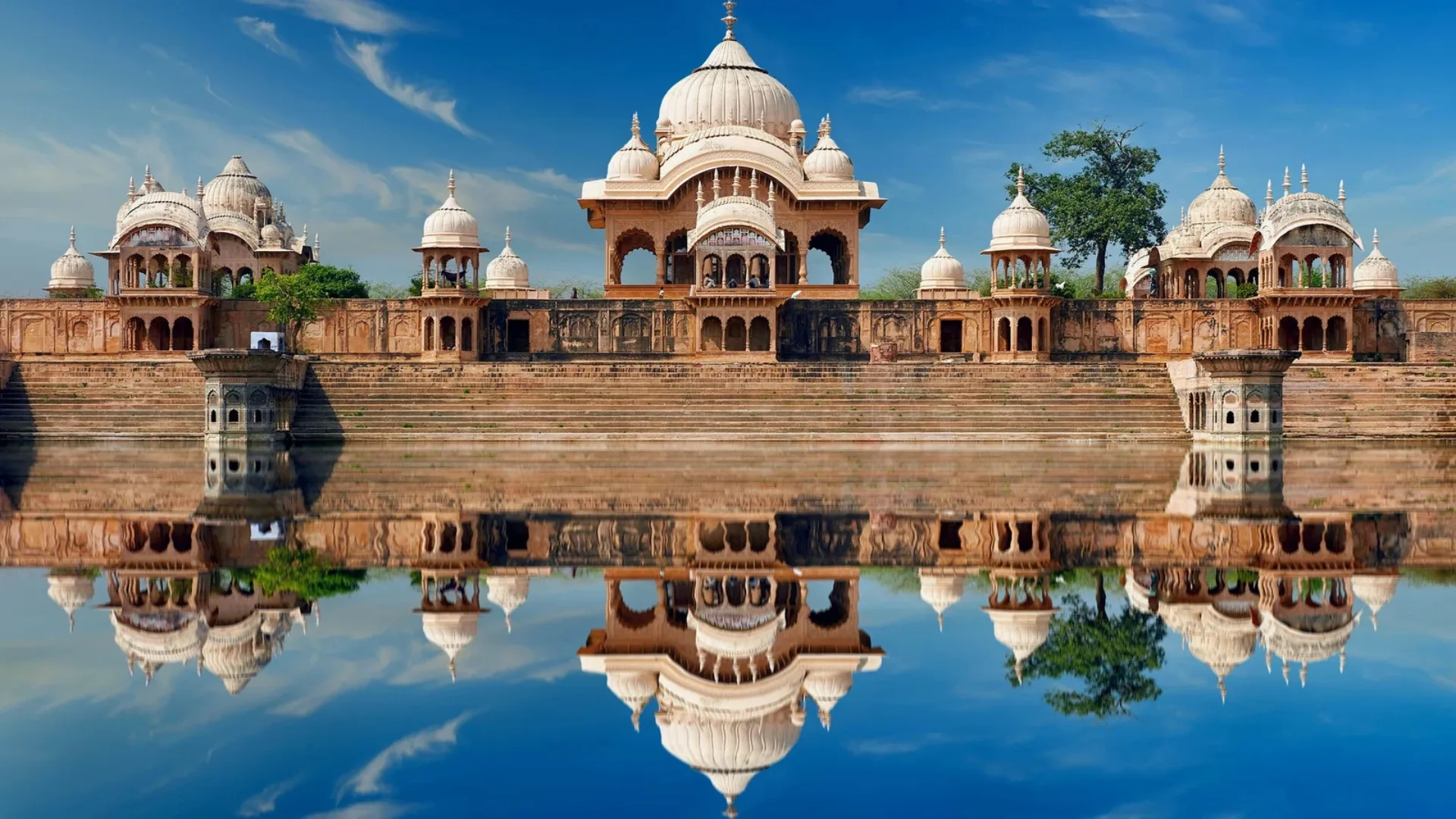
The towns of Mathura, Vrindavan, Gokul, and Govardhan are not just
destinations—they're really sacred chapters of Krishna's life. Braj
Bhoomi is the most sacred and culturally important location for Hindus
all over the world. Mathura, located on the banks of the Yamuna River,
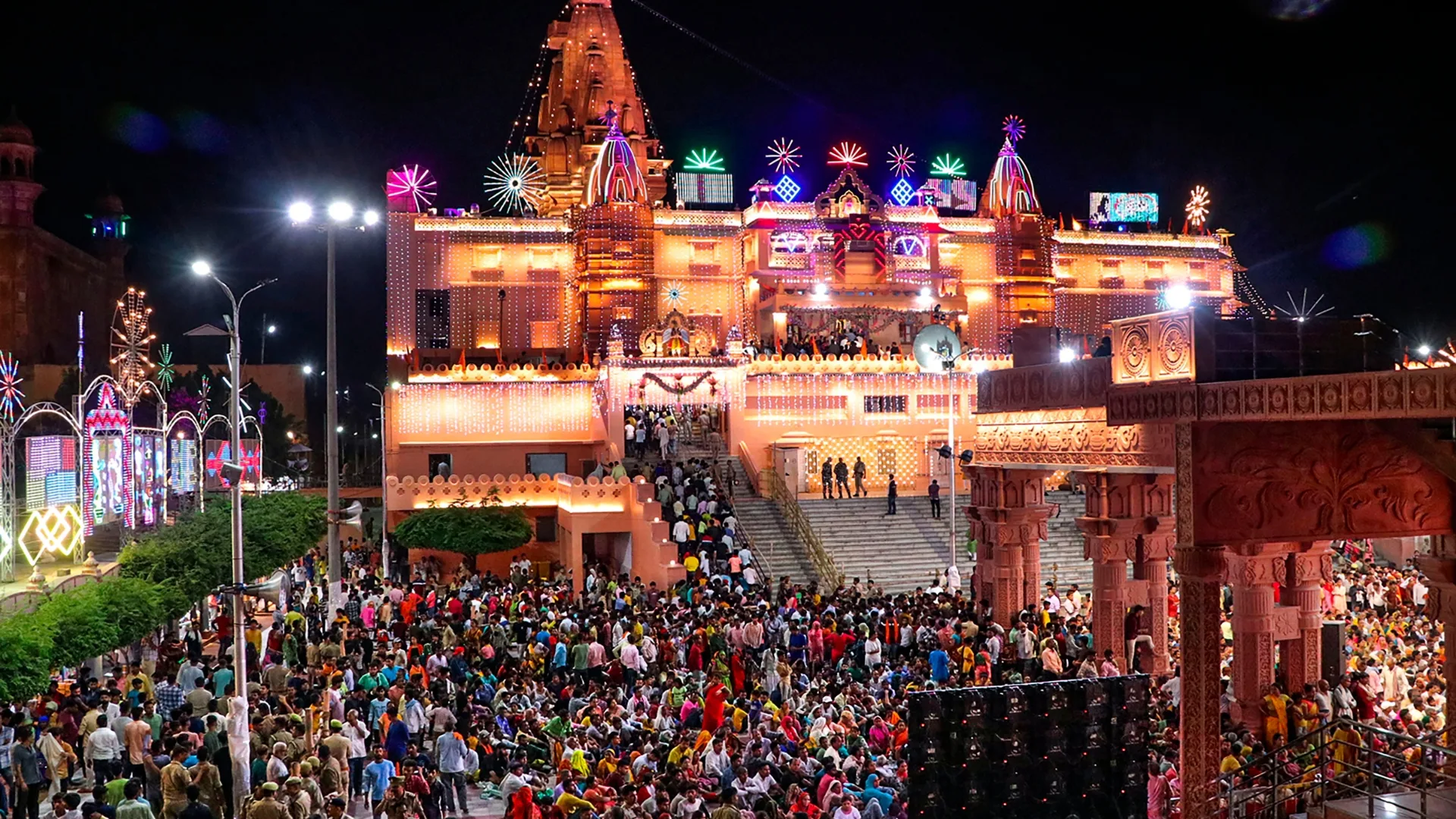
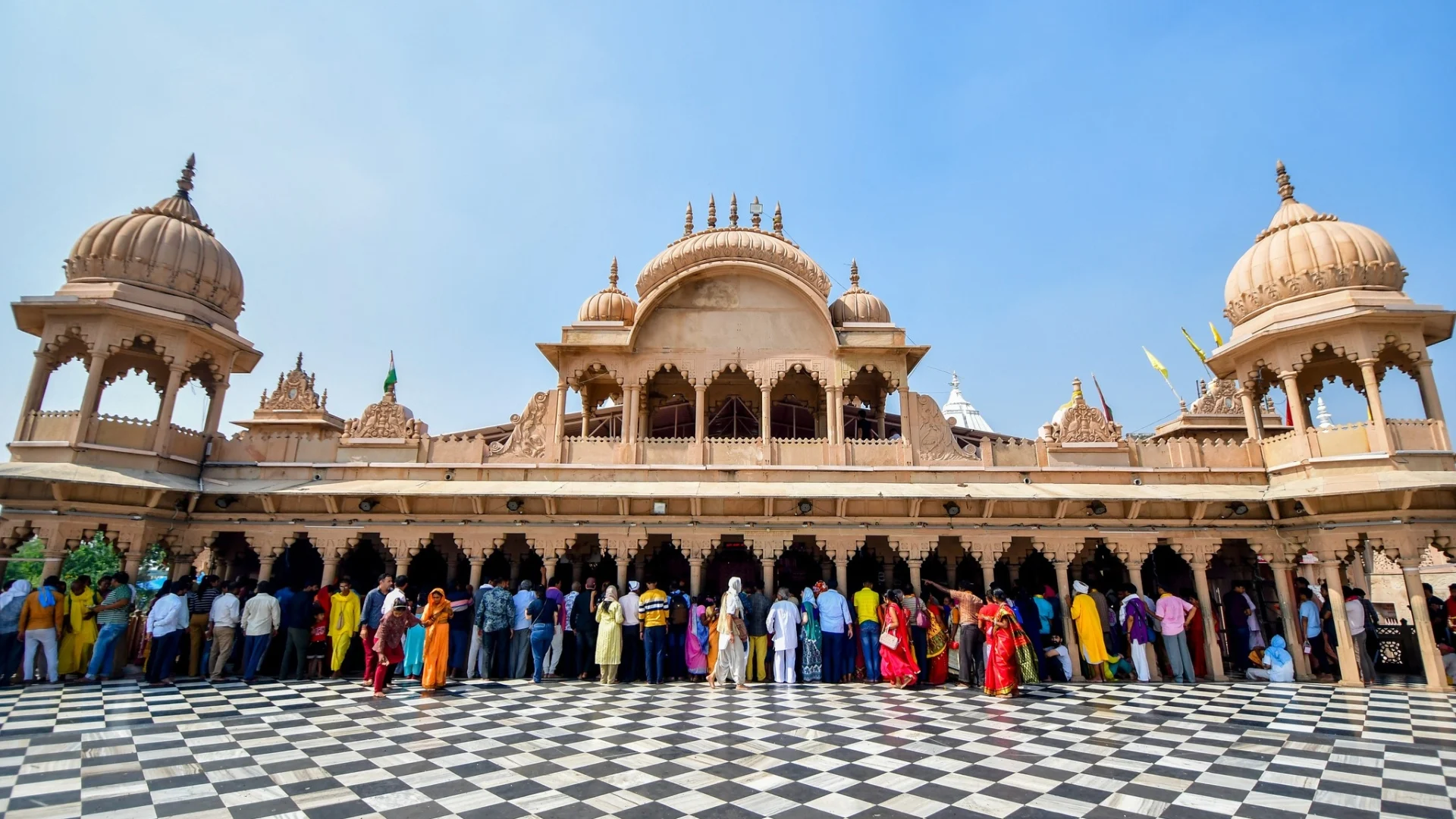
is known as the birthplace of Lord Krishna. Shri Krishna Janmasthan
Temple Complex is the most sacred place here, attracting thousands of
devotees every year. Not far off in distance lies Vrindavan, where
Krishna, in his childhood days, would play his flute, perform
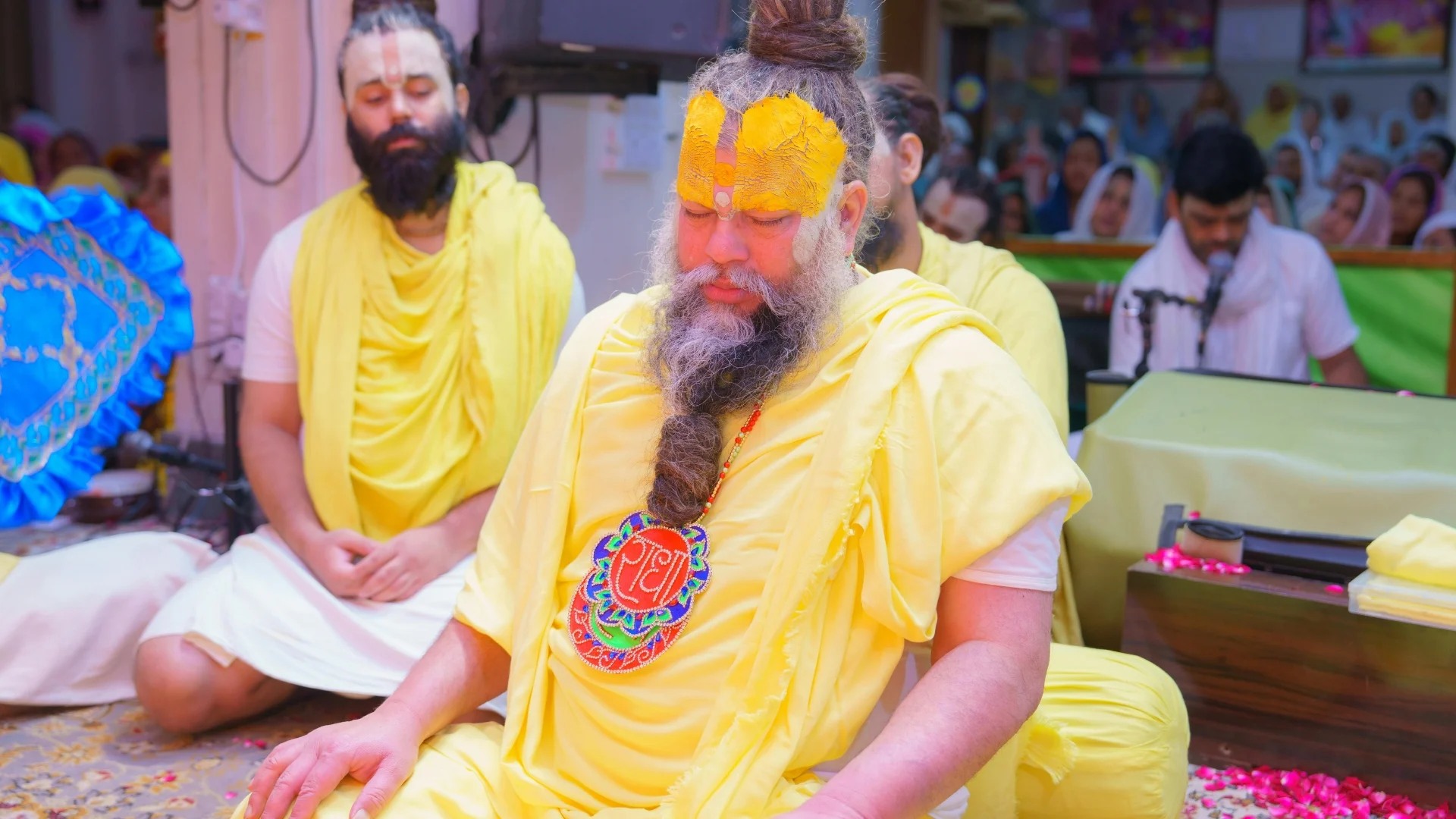
miracles, and share an intense divine love with Radha. The atmosphere
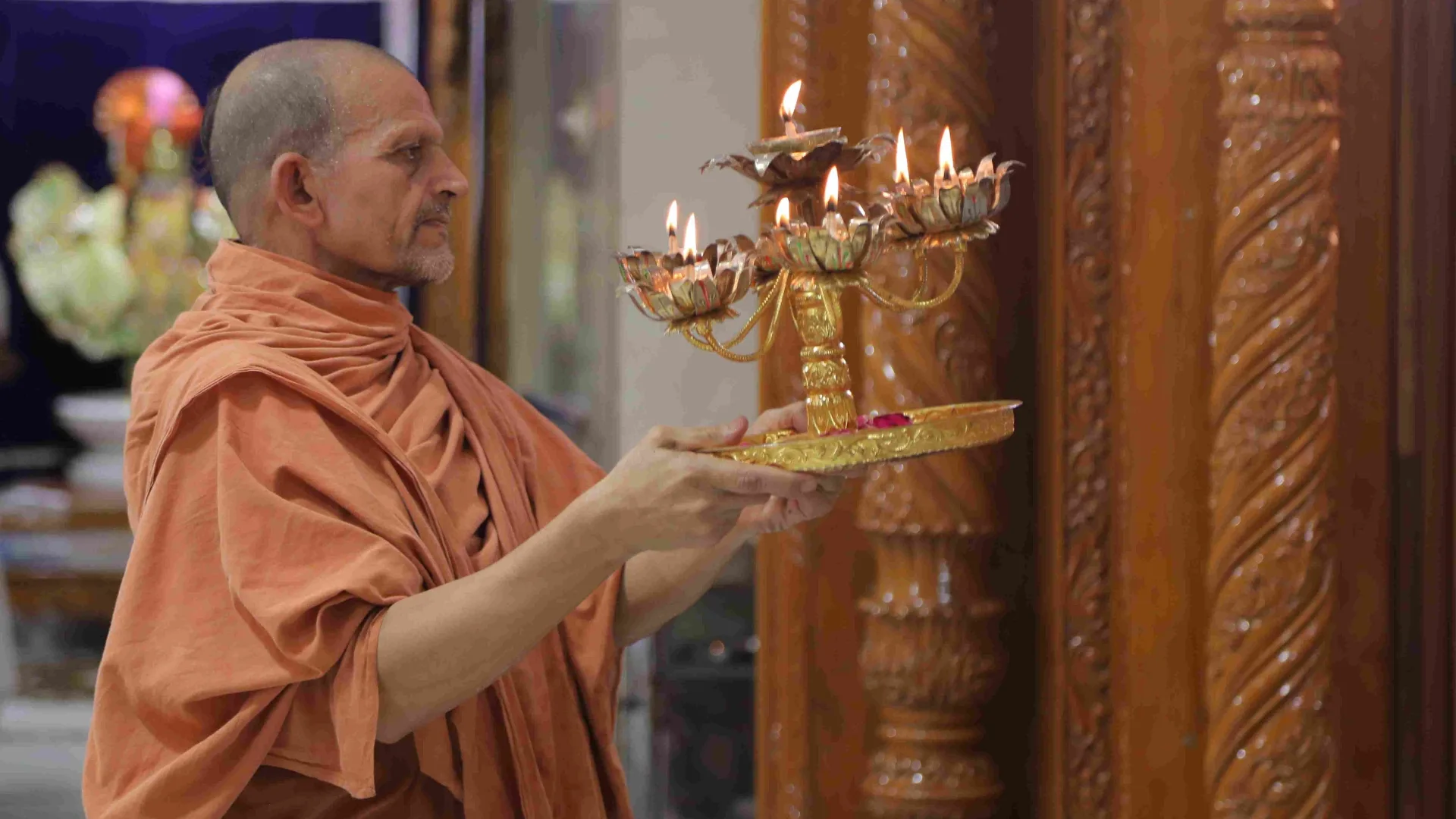
of Vrindavan is filled with the sounds of songs of praise,
interspersed with the ringing of bells and the chanting of Krishna's
name.
Gokul is quieter and simpler, but deeply emotional—it’s where Yashoda
and Nand Baba brought up Krishna. To take a walk in Gokul is like
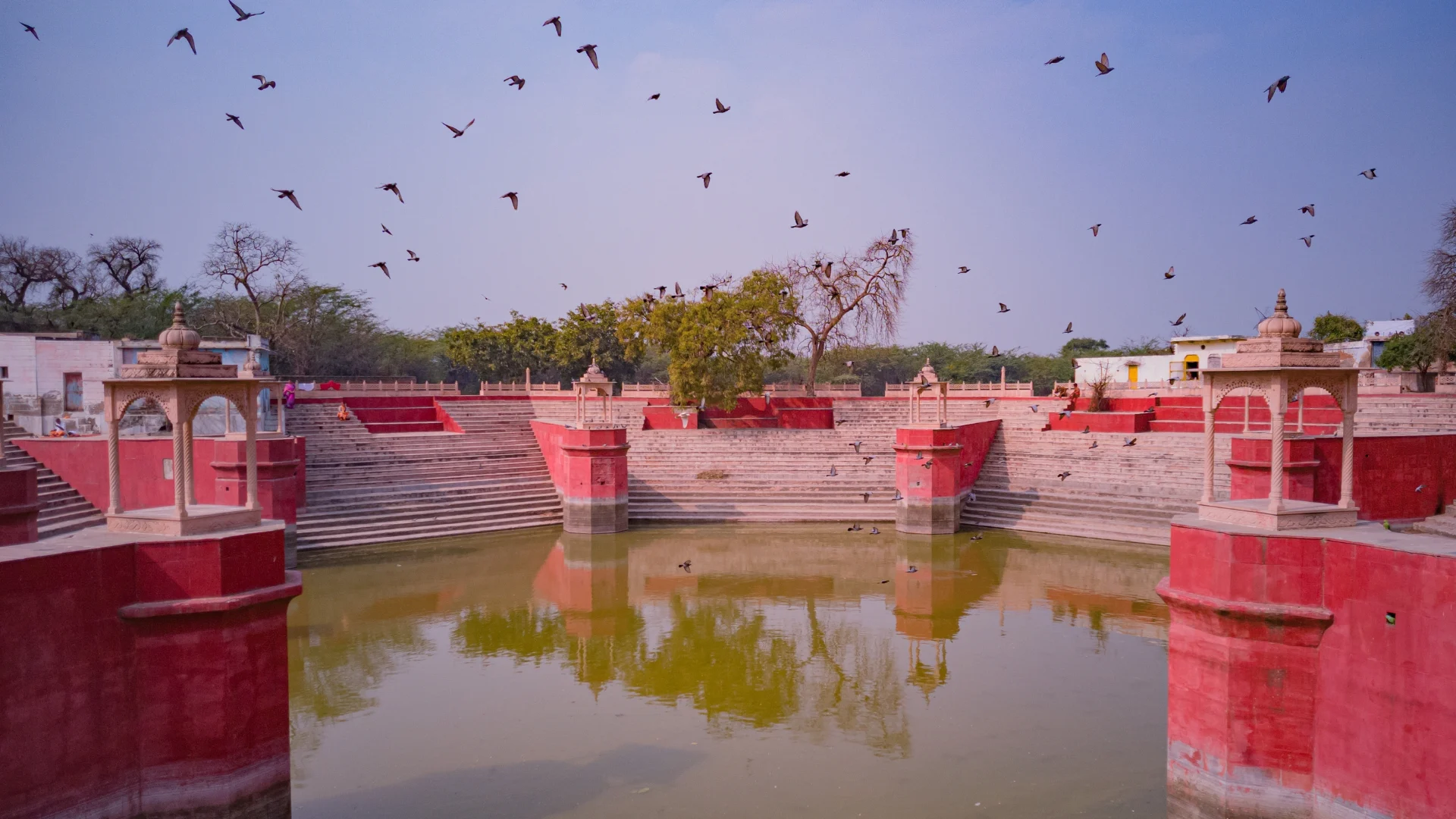
walking back through time. You can also visit places such as Raman
Reti, where young Krishna played in the sand. Then there is Govardhan,
famous for the Govardhan Hill that Krishna lifted on his little finger
to protect his people from the wrath of Indra. The 21-km-long
Govardhan Parikrama becomes spiritually enriching, especially when
done on full-moon days or during festive occasions such as Govardhan
Puja. Every place in Braj Bhoomi is drenched in devotion, stories, and
divine presence, and it is a must-visit for anyone seeking spiritual
depth and cultural richness.
Tracing the Sacred History of Braj Bhoomi
The roots of these holy towns are deep in the ancient Indian
scriptures and history. It is one of the seven holiest cities (Sapta
Puri) in Hinduism. It is mentioned in the Mahabharata as the capital
of the Surasena Kingdom governed by Krishna's maternal grandfather,
Ugrasen. Later, the throne was usurped by Krishna’s uncle Kansa,
heralding Krishna’s legendary birth and his eventual victory.
Gradually, Mathura began to develop into a cultural crossroads under
various empires—the Mauryans, Shungas, and Kushans. It was once a
center for Buddhism and Jainism before turning into a Vaishnavite
power with the Bhakti resurgence.
The importance of Vrindavan arose in the 15th and 16th centuries, when
saints such as Chaitanya Mahaprabhu, Swami Haridas, and Rupa Goswami
re-found the holy places associated with Lord Krishna's childhood.
These saints then inspired temple-building very much with the
establishment of the ageless Radha Raman, Madan Mohan, and Govind Dev
Ji temples—which remain smack in the heart of Vrindavan today. Further
enriching the spiritual ambience of the area was the literary genius
of Surdas, who extolled the leelas of Krishna in Braj Bhasha. Every
brick and corner in these towns carries stories nurtured by
generations—stories still sung, acted out, felt, and lived.
Ideal Time to Explore the Spiritual Vibrancy of Braj Bhoomi
Braj Bhoomi attracts pilgrims throughout the year, yet the experience
here varies significantly with the time. October to March is the best
expected spell of time for the tender embrace of comfort and spirit.
Exploring the towns, attending early morning aartis, and undertaking
walking parikramas get a bit easy with a cool pleasant climate
outside. If one is coming for major festivities, then Janmashtami
(Aug-Sep) and Holi (Feb-Mar) constitute the larger ones. Midnight
darshans, Raslilas, temple decoration, and lively processions fill in
the air of festivity across Mathura and Vrindavan during Janmashtami,
i.e., the birth anniversary of Krishna.
The celebration of Holi in Vrindavan is off the charts—temples observe
Phoolon Ki Holi, with flower petals replacing colors, while Widow Holi
at Gopinath Temple is quite a beautiful metaphor for social reform.
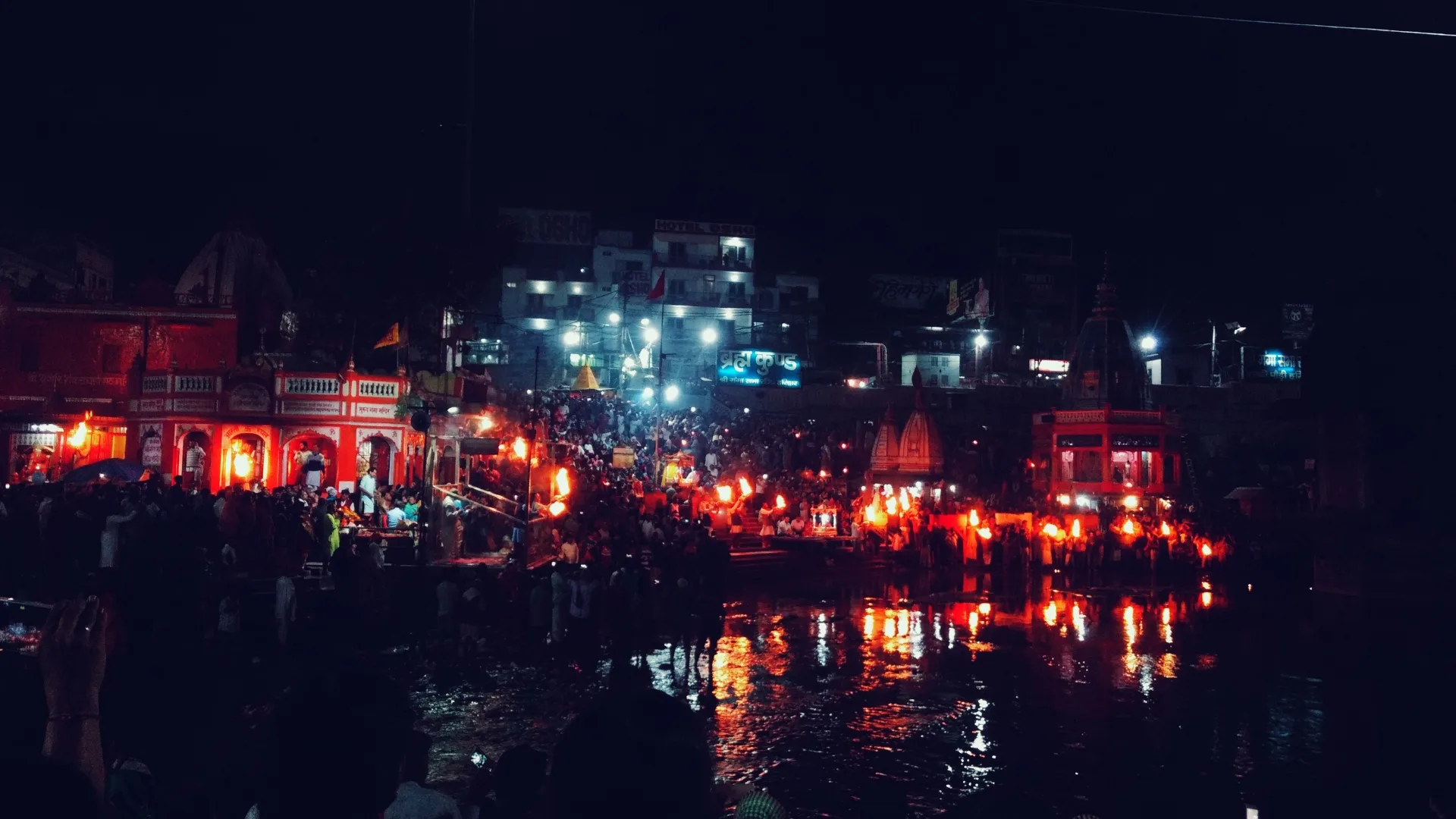
During Kartik Maas (October-November), thousands of devotees light up
the banks of the Yamuna with countless oil lamps and walk barefoot on
Govardhan Parikrama. This whole month is treasured as a good Kaal for
spiritual growth. Throughout summers (April-June), it is scorching and
high for people looking out for quiet moments while monsoons spray
natural beauty to Govardhan and Gokul, while sometimes rains will come
in flash with concrete interruption for travel.
Dive Into the Divine Flavors of Braj Bhoomi
Food in Braj Bhoomi isn’t just about taste; it goes deeper into
devotion. Much of that foods are Satvika, meaning prepared without
onion, garlic, or meat; once prepared, it is first offered to temple
deities as prasada. Some of the first treats you should relish are
those fabulous Pedas of Mathura: These sweets are made of caramelized
milk, wonderfully fragrant, soft, fine, and utterly melt in your
mouth. Pilgrims returning home often buy these in boxes. Across
Mathura and Vrindavan, Kachori-Sabzi, a stimulating snack served with
tangy potato curry, serves as a popular breakfast with a glass of cold
Lassi or Chaach.
Vrindavan and Govardhan boast Chhappan Bhog offerings as well: 56
dishes prepared especially for Lord Krishna. The sumptuous spread
includes sweets like Malpua, Rabri, and Boondi, and savory ones like
dal, puris, khichdi, and pakoras. Makhan Mishri, a symbolic offering
of white butter with rock sugar, refers to the baby Krishna's fondness
for all things dairy. Another star of these festivals is Thandai, a
chilled, spiced milk drink. The food here nourishes your heart, even
if you eat temple prasadam or in a local satvik bhojanalaya.
Smart Travel Tips for a Peaceful and Hassle-Free Experience
-
A good plan goes a long way to fully enjoying your pilgrimage. Keep
in mind to always dress modestly—the temples have sanctity. One can
wear dresses of traditional Indian styles like kurta, sarees, or
salwars. Shorts, sleeveless tops, and revealing apparel would be a
big no-no.
-
Consider carrying a scarf or shawl if you need to cover your head in
a temple. Most temple complexes do not permit any footwear, so it is
best to wear some super-easy slip-on sandals.
-
Early mornings (before 10 AM) serve to go to temples, preventing the
crowd and enjoying peaceful darshans.
-
One elephantine question that arises is about the monkeys: in places
such as Vrindavan, they sometimes snatch away anything from glasses
to phones and bags—so show no fancy items or valuables and keep your
belongings safely with you.
-
A little more cash in your pocket would come in handy in case a
smaller temple, shop, or rickshaw driver refuses to accept
cards/digital payment.
-
If you would like to know in detail the history and stories about
each temple, then hiring a local guide or joining a tour would be a
great plan.
-
Carry water bottles, sunscreen, and any medicines you may need,
especially when it is hot out or while doing the Govardhan
Parikrama.
-
Respect local traditions while queuing in temples and let yourself
be absorbed in the spiritual vibrations of the place.