About the Place
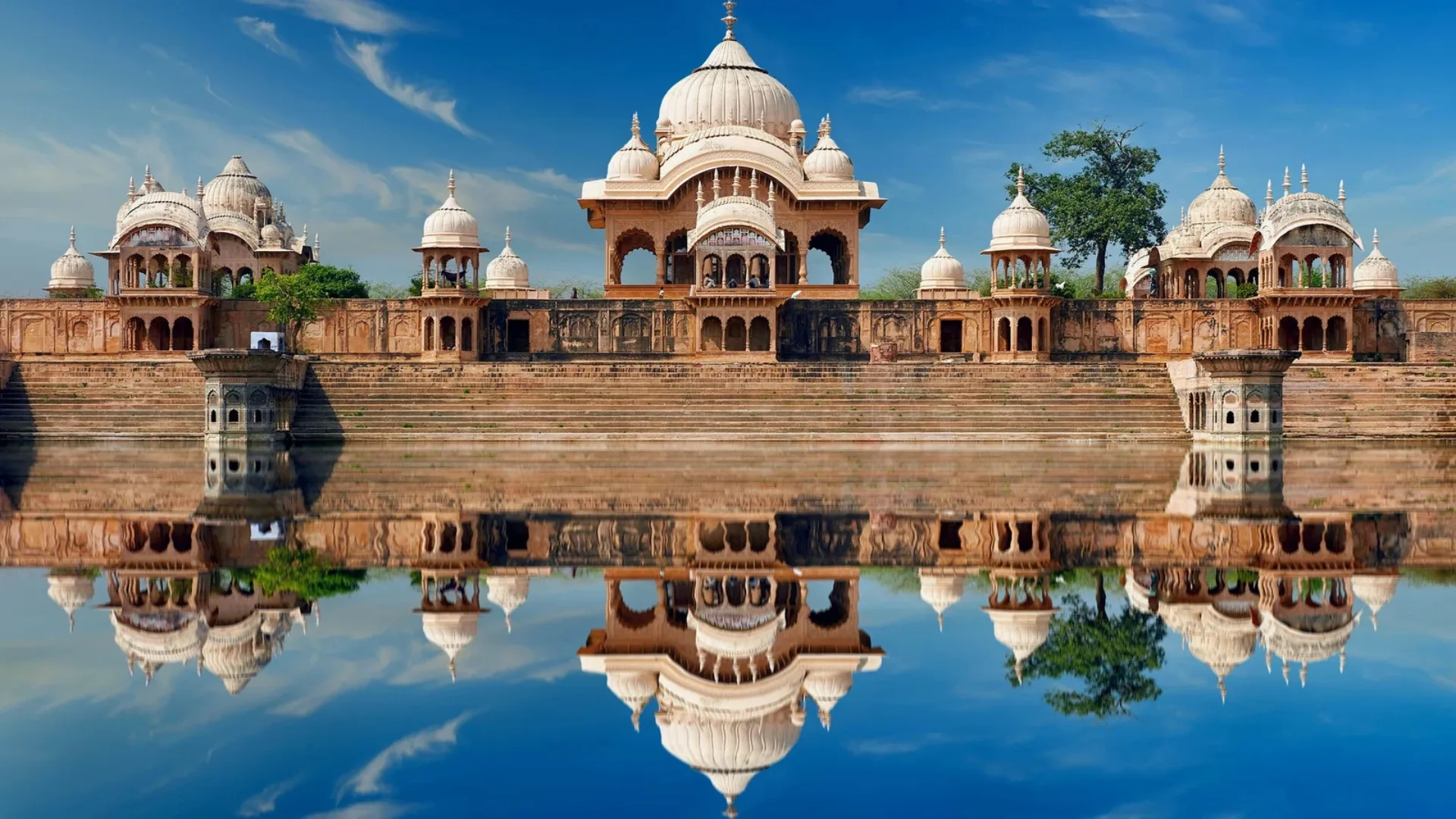
Mathura-Bharatpur are two two-foldly engendered destinations in
northern India scarcely visited for brief spiritual and nature-centric
sojourns.
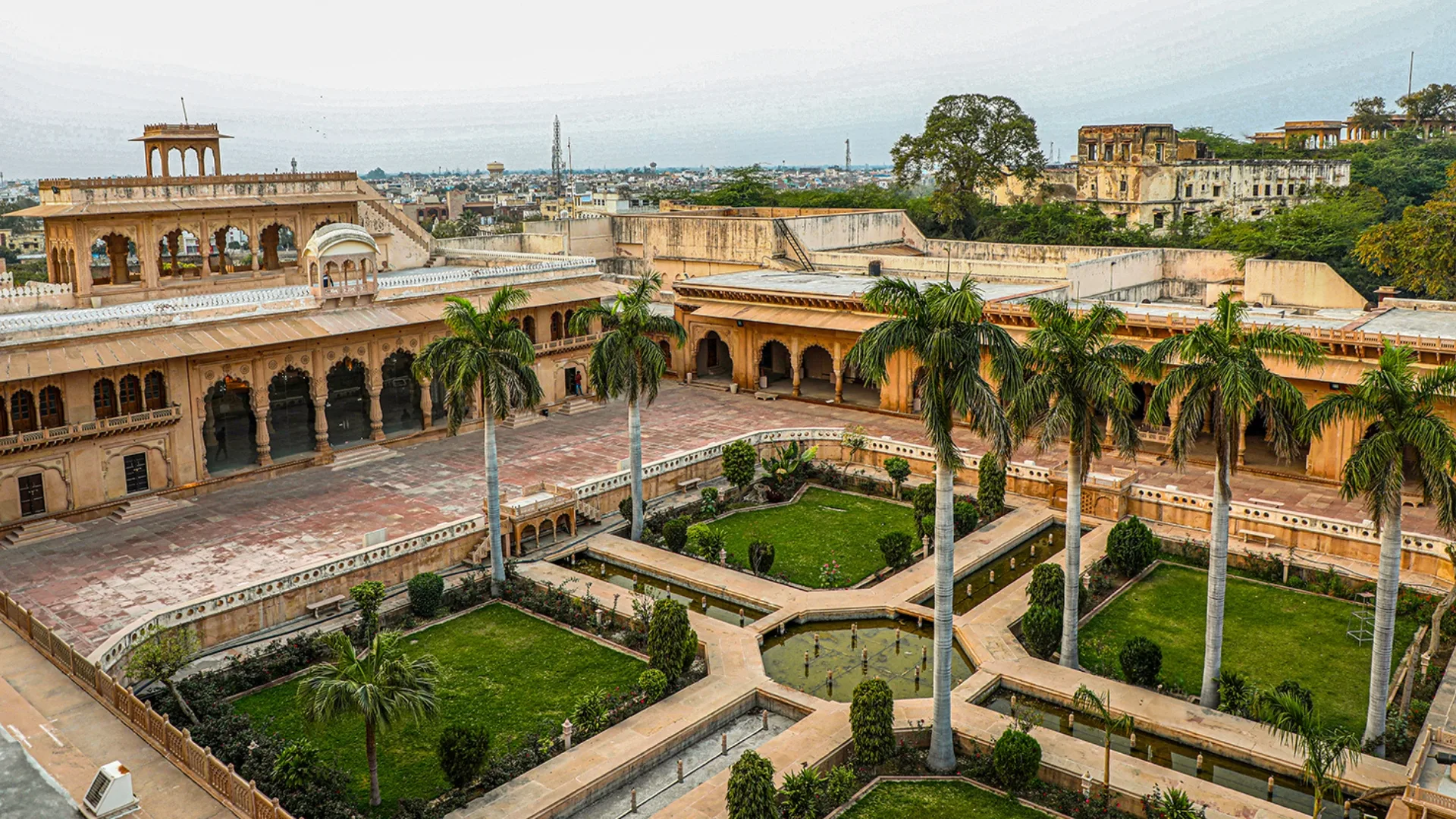
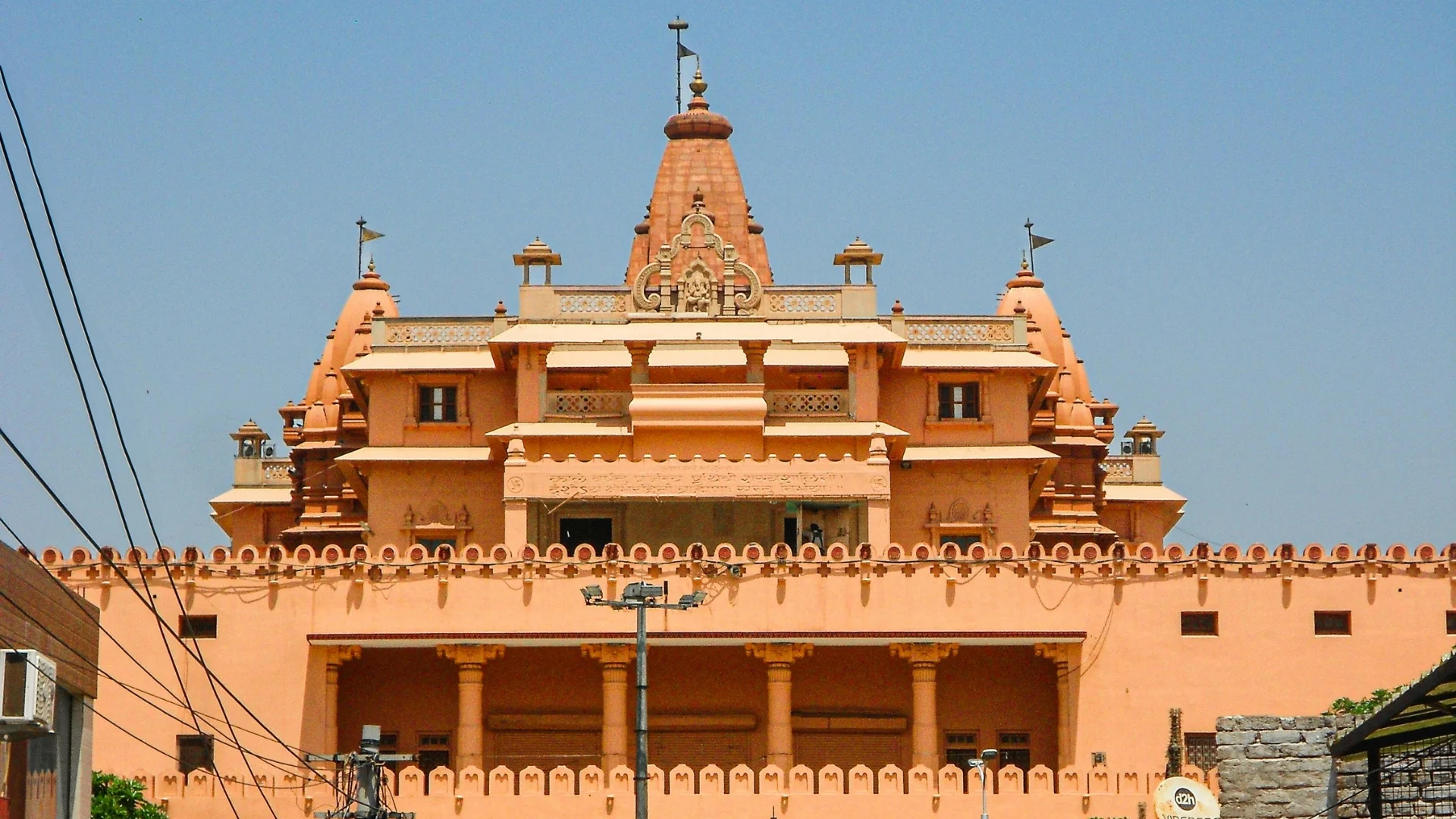
Mathura, situated in Uttar Pradesh, is traditionally one among the
seven cities sacred to Hinduism. It is chiefly recognized as the birth
city of Lord Krishna and is exquisitely interlaced within the tapestry
of Indian mythology, particularly, those of Mahabharata and Puranas.
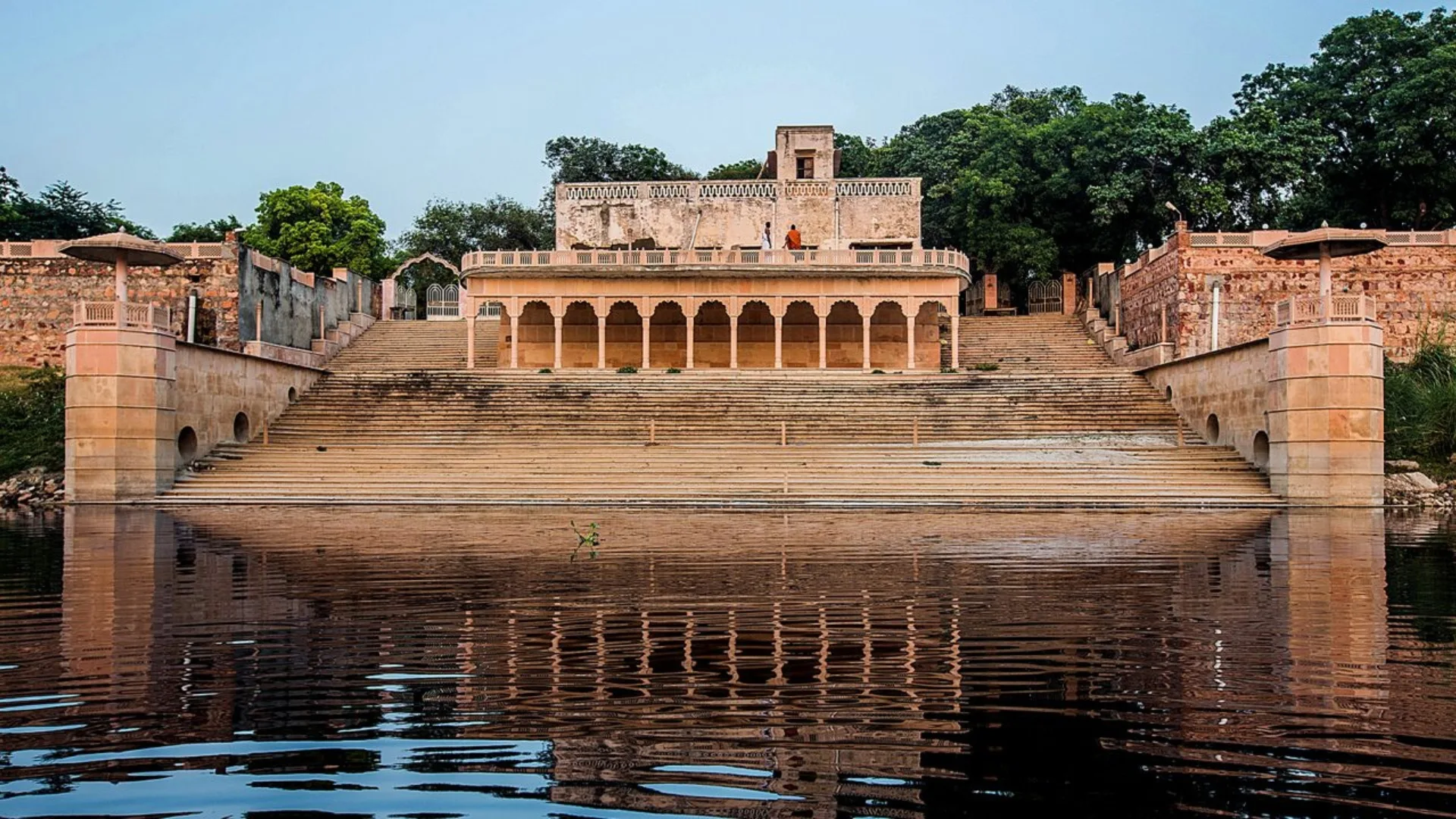
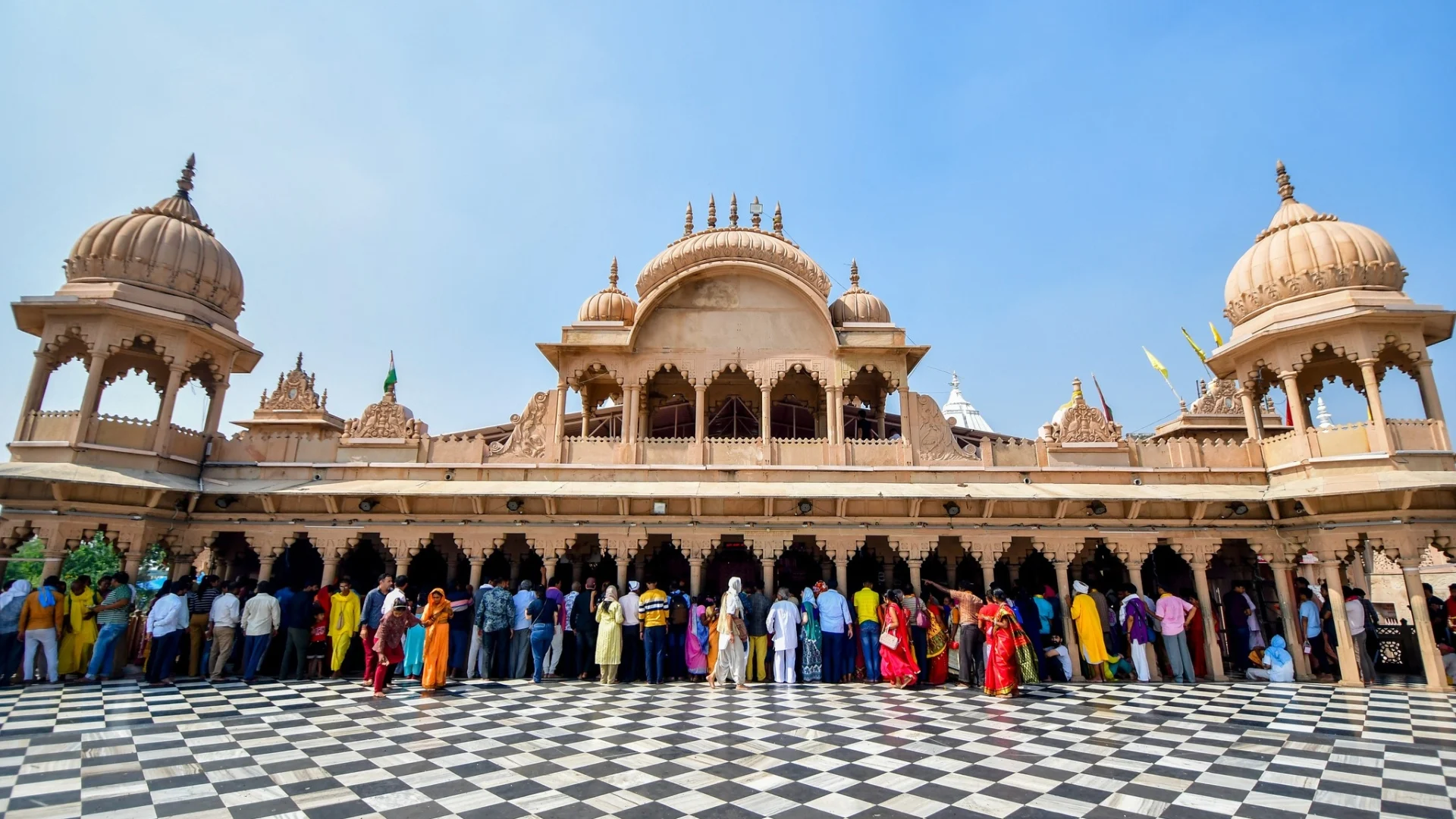
The city is strewn with holy temples, ghats along the Yamuna Rivera
bathed in colors, and narrow streets where spirituality blends with
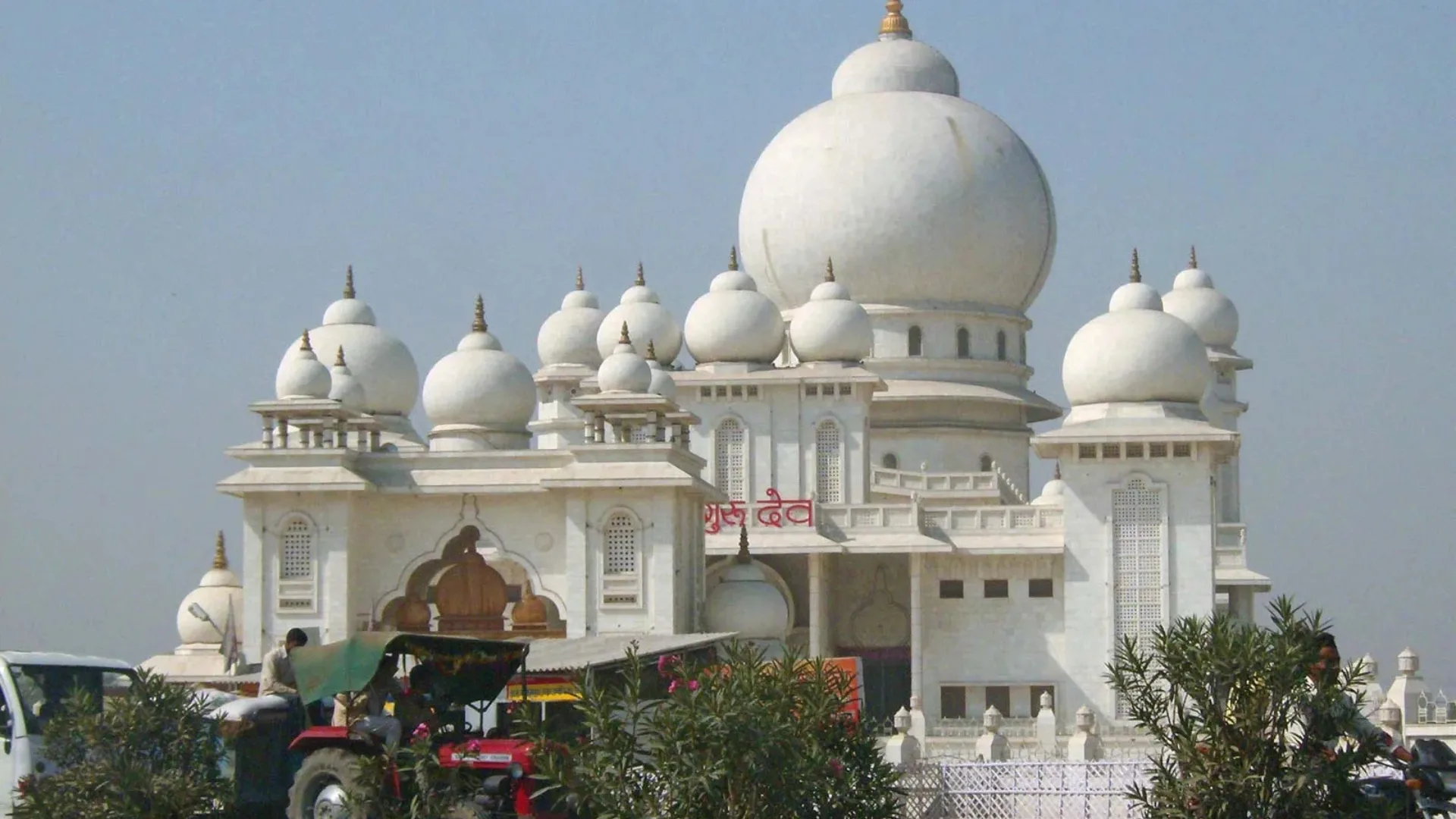
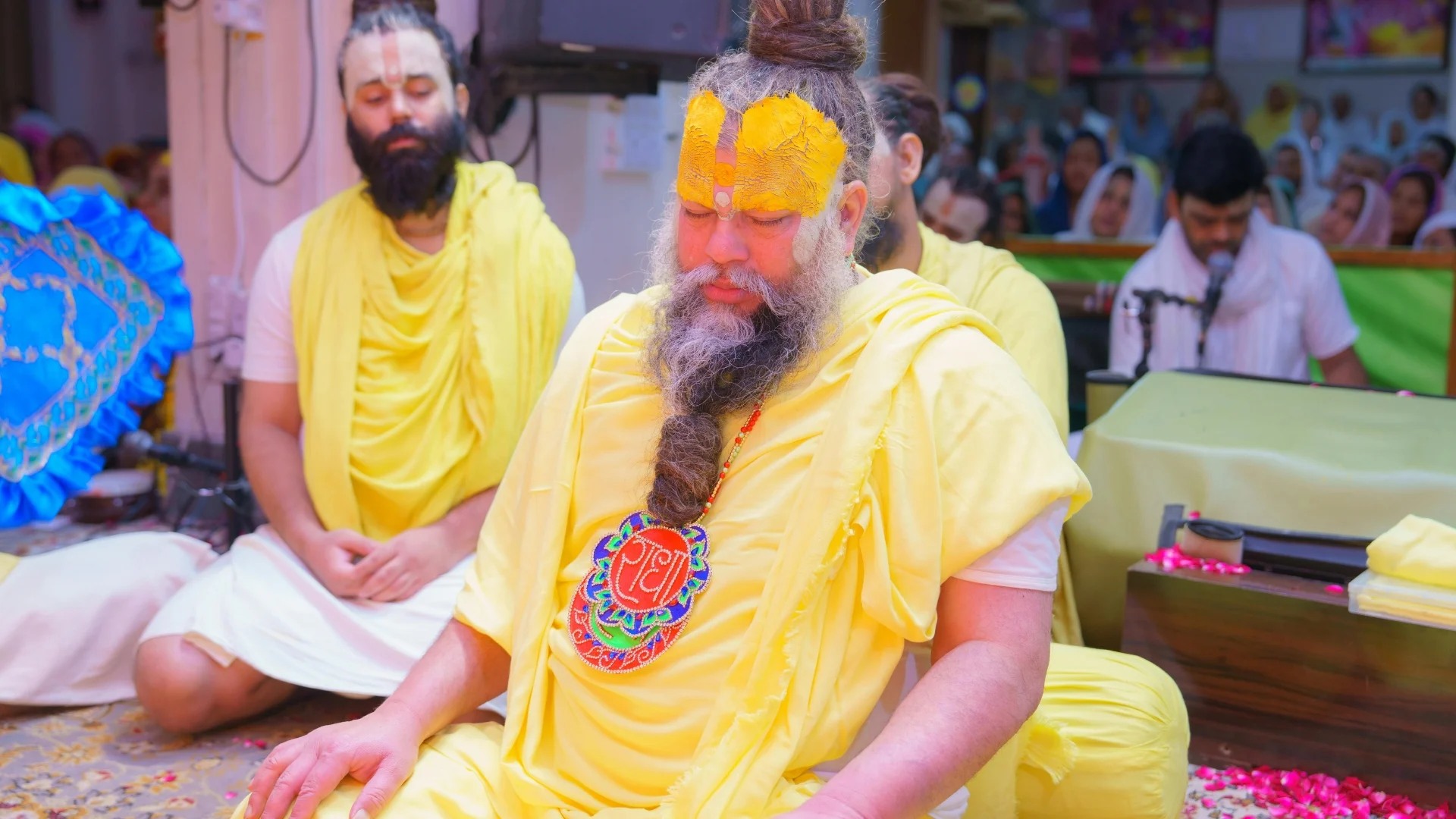
mere local culture. Vrindavan, approximately 10 km away, is another
major pilgrim center full of temples, ashrams, and Krishna's boyhood
stories.
Bharatpur lies in Rajasthan and hence wholeheartedly contradicts
Mathura's spiritualism with calm scenic beauty and colonial heritage.
It is best known for the Keoladeo Ghana National Park, a World
Heritage Site wherein thousands of birds are found, including rare and
endangered species. The town speaks in the language of its royal
architectural beauty, erect forts, and palaces telling stories from
its princely past. Together, Mathura-Bharatpur present a mixture of
history, faith, and nature-almost classically perfect for a weekend
getaway from Delhi or any nearby major city.
History
Mathura’s history may be traced back to at least the 6th century BCE.
It was a major urban center in the Maurya period and flourished later
under the Kushan Empire, thus becoming a center for art, culture, and
religious movements, including Buddhism, Jainism, and Vaishnavism. A
number of archaeological evidences, including ancient sculptures,
terracotta figurines, and coins, stand as testimony to the antiquity
and eminence of Mathura as a center of civilization and religion.
Bharatpur, while a relatively younger city, has a history as vibrant.
Founded in 1733 by Maharaja Suraj Mal, it became the capital of the
princely state of Bharatpur ruled by the Jats. The fine example of
military architecture in the region is the Lohagarh Fort, meaning the
"Iron Fort." Congress to many forts of Rajasthan, Lohagarh was never
conquered by the British or the Mughals for its strong architecture.
During the British period, Bharatpur became famous for its bird
sanctuary, which had been a royal hunting ground and was subsequently
converted into one of the premier wildlife parks of India.
Best Time to Visit
The most pleasant time to explore Mathura and Bharatpur is during the
winter months from October to March.
In Mathura, the weather is cooler and more comfortable for temple
hopping and sightseeing. The city comes alive during Janmashtami
(August/September) and Holi (March), though these festivals attract
massive crowds. If you're visiting for a peaceful experience, avoid
major festival dates unless you're specifically interested in
witnessing them.
In Bharatpur, winter is prime time for birdwatchers and nature
enthusiasts. This is when thousands of migratory birds—including the
Siberian crane, pelicans, painted storks, and more—flock to Keoladeo
National Park. The mild weather also makes it ideal for long walks,
bicycle rides, or rickshaw tours within the sanctuary.
Avoid visiting in the summer (April to June), as temperatures soar
above 40°C, making outdoor exploration uncomfortable. Monsoons (July
to September) bring some greenery, but the humidity can be high, and
bird sightings are fewer.
Food
Both Mathura and Bharatpur offer unique culinary delights that reflect
their cultural and regional identities.
In Mathura, the food is heavily influenced by satvik (pure
vegetarian) traditions, as befits a holy city. Key local treats
include:
-
Mathura peda – a sweet made of khoya (milk solids) that's synonymous
with the city.
-
Kachori with sabzi – a crispy deep-fried snack stuffed with spiced
lentils, served with potato curry.
-
Lassi and chaach – refreshing yogurt-based drinks available at every
corner shop.
-
Makhan-mishri – a simple but traditional offering believed to be
Lord Krishna’s favorite.
-
Street food is a big part of the experience—don’t miss out on local
snacks like aloo tikki, jalebi, and samosas from roadside vendors.
In Bharatpur, the cuisine is hearty and rooted in Rajasthani
traditions:
-
Dal Baati Churma – a staple Rajasthani meal made of baked wheat
balls served with lentils and crushed sweetened wheat.
-
Gatte ki Sabzi – gram flour dumplings cooked in a spicy yogurt-based
curry.
-
Ker Sangri – a tangy and spicy dish made from desert berries and
beans.
You’ll also find Mughlai influences due to its royal past, especially
in some local dhabas and old havelis converted into restaurants.
Tips for Planning
-
Plan your route and stays in advance – These towns are
well-connected by road and rail. You can base yourself in either
city, but staying one night in each is ideal for a relaxed
experience.
-
Start your days early – Especially in Bharatpur’s bird sanctuary,
early mornings are the best time for birdwatching. In Mathura,
starting early helps you avoid temple crowds.
-
Choose the right transport – Auto-rickshaws and e-rickshaws are
commonly used in Mathura. For Bharatpur Sanctuary, you can rent
bicycles, take a cycle-rickshaw, or even hire a naturalist guide for
a richer experience.
-
Dress modestly and comfortably – Especially in temples, modest
attire is appreciated. Wear comfortable walking shoes for exploring
both cities.
-
Carry cash and ID proof – Many small shops and temple donation
counters still don’t accept digital payments. Always keep cash and
some ID handy, especially for booking accommodations or entering
parks.
-
Pack light but smart – Bring a sun hat, sunscreen, binoculars (for
birding), a refillable water bottle, and some basic medicines for a
smoother journey.
-
Respect local customs – Both cities are rooted in deep traditions.
Photography may be restricted in temples or sensitive areas, so
always ask beforehand.