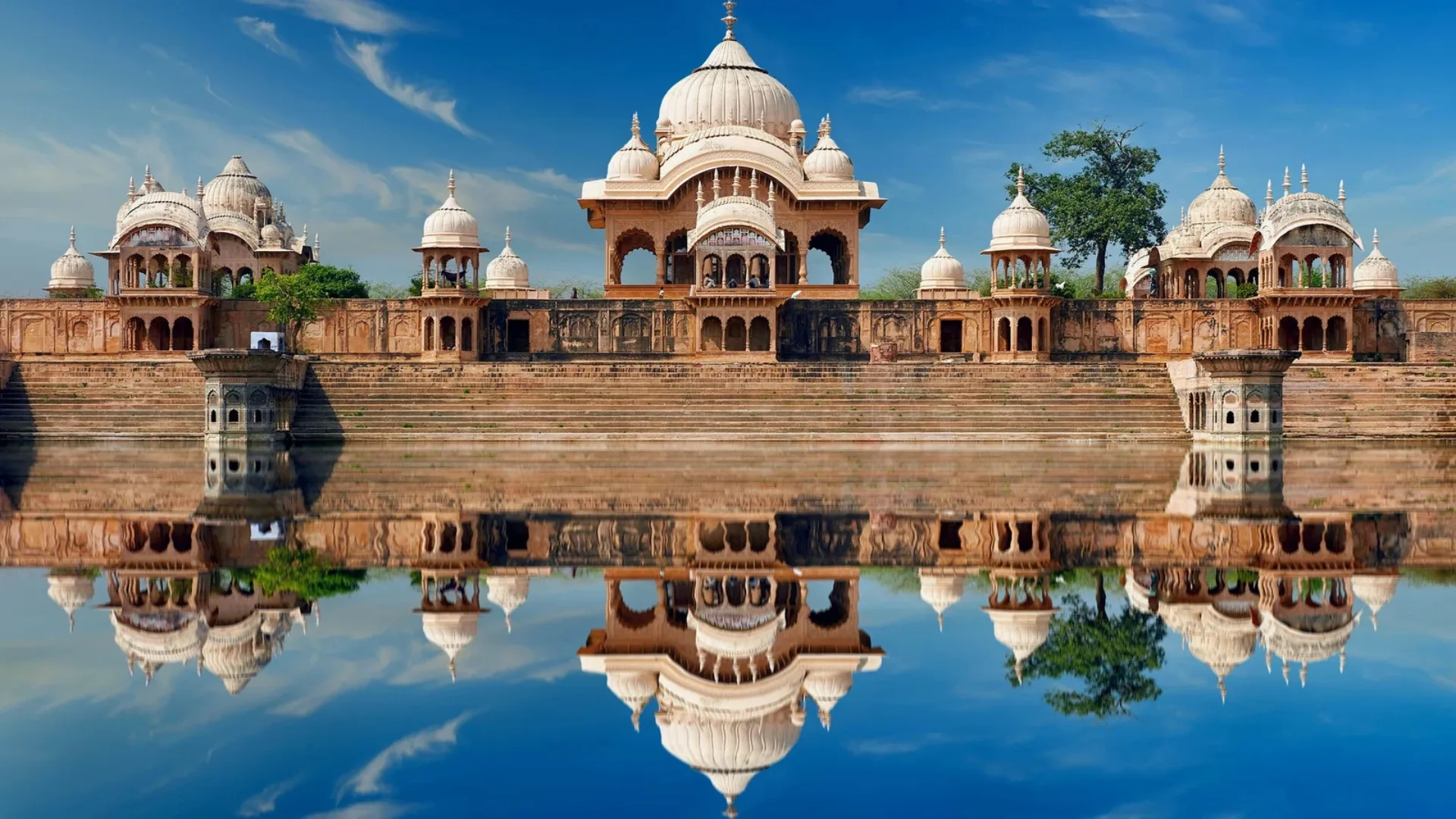
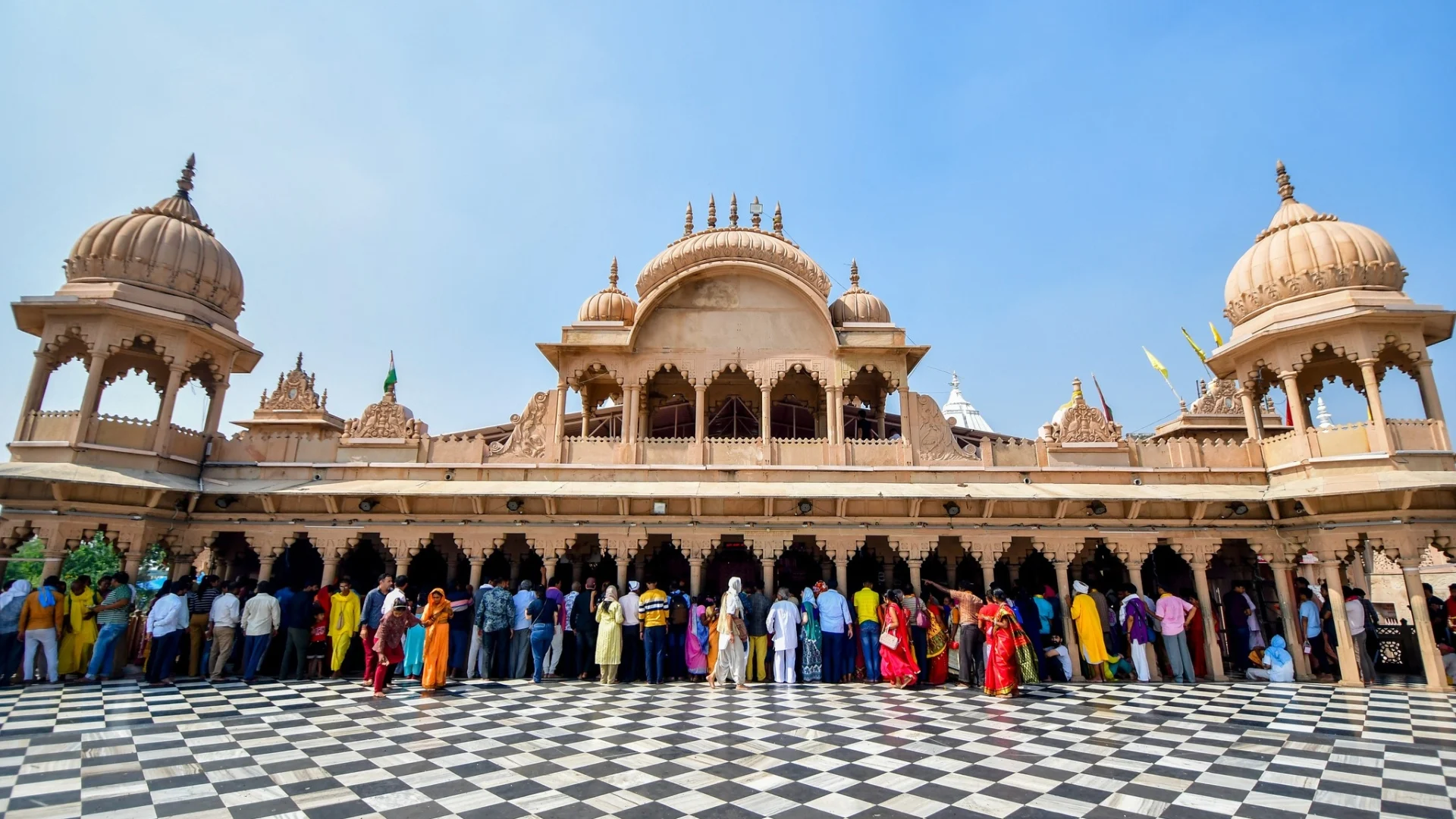
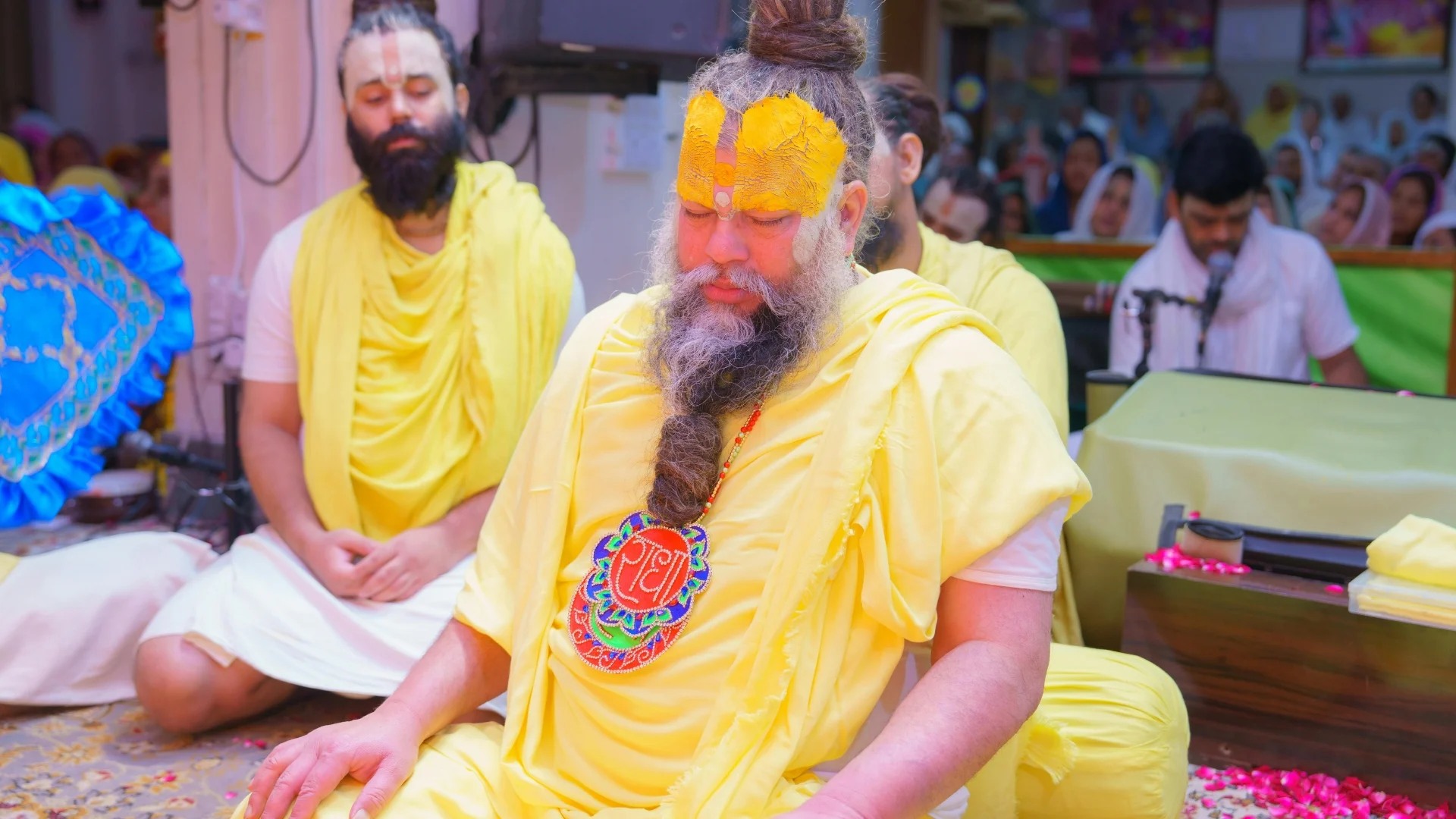
About the Place: Bharatpur, Mathura & Vrindavan
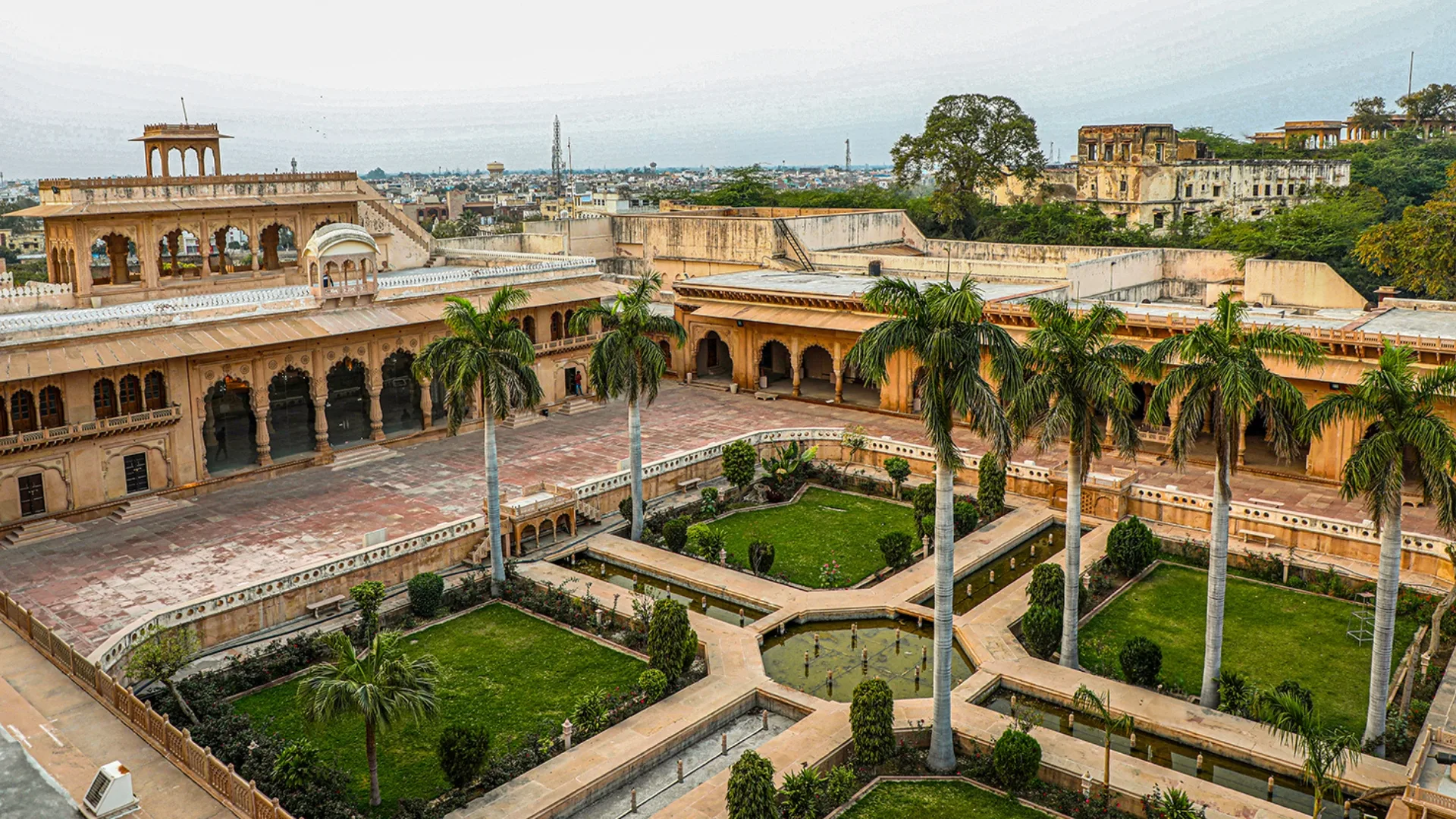
This short tour glides through three trekking-worthy locations of
North India. Each site offers an individual immersion into the realms
of nature, history, or devotion. Bharatpur, once a potent princely
state of Rajasthan, is today mostly famous for Keoladeo Ghana National
Park, a UNESCO World Heritage Site. The bird sanctuary is an all-time
delight for any ornithologist, with more than 370 species of birds and
wildlife. But Bharatpur is not all about birds- the frenzy of history,
forts, and serene calmness itself make an attraction for a cultural
visit.
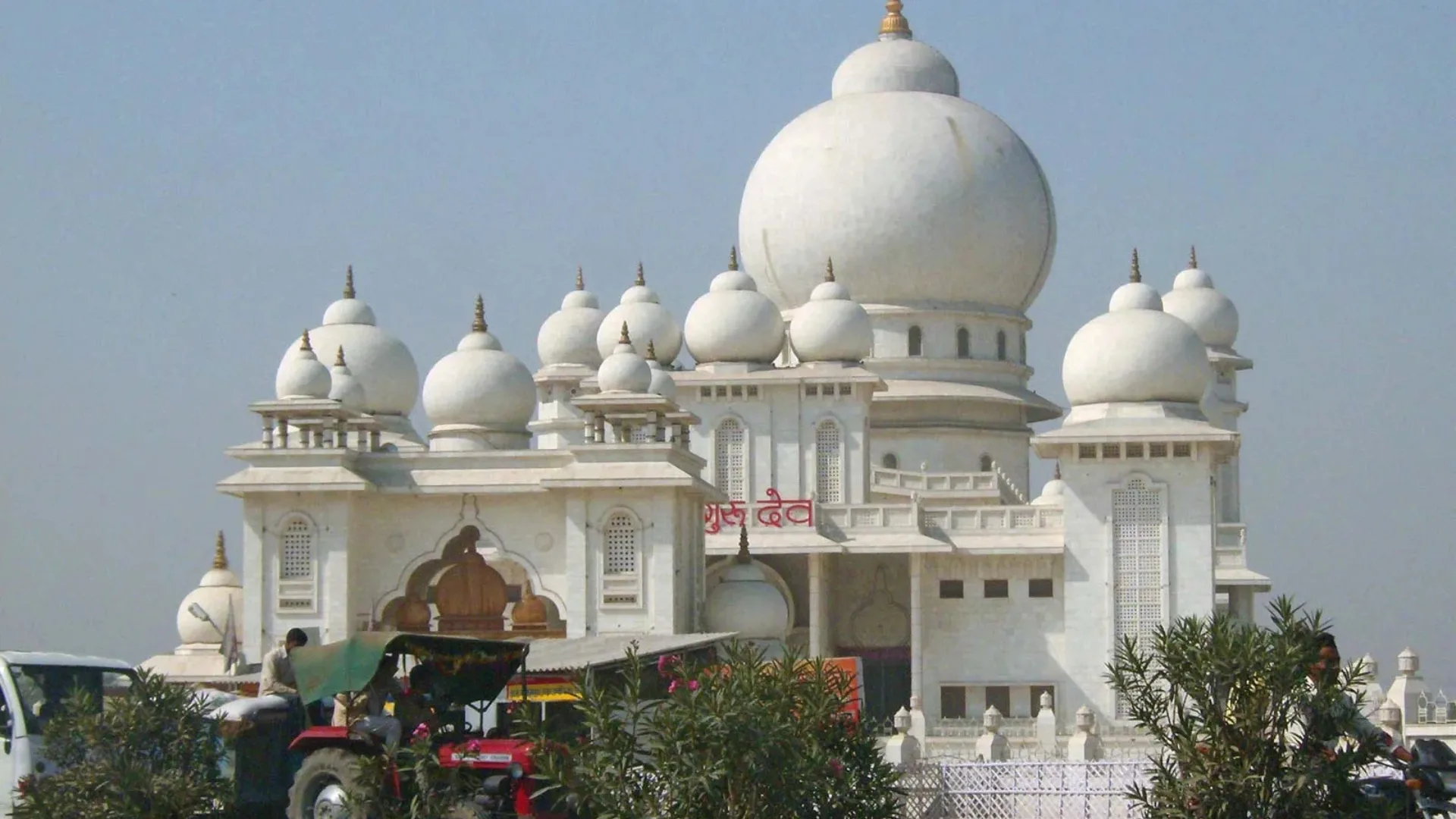
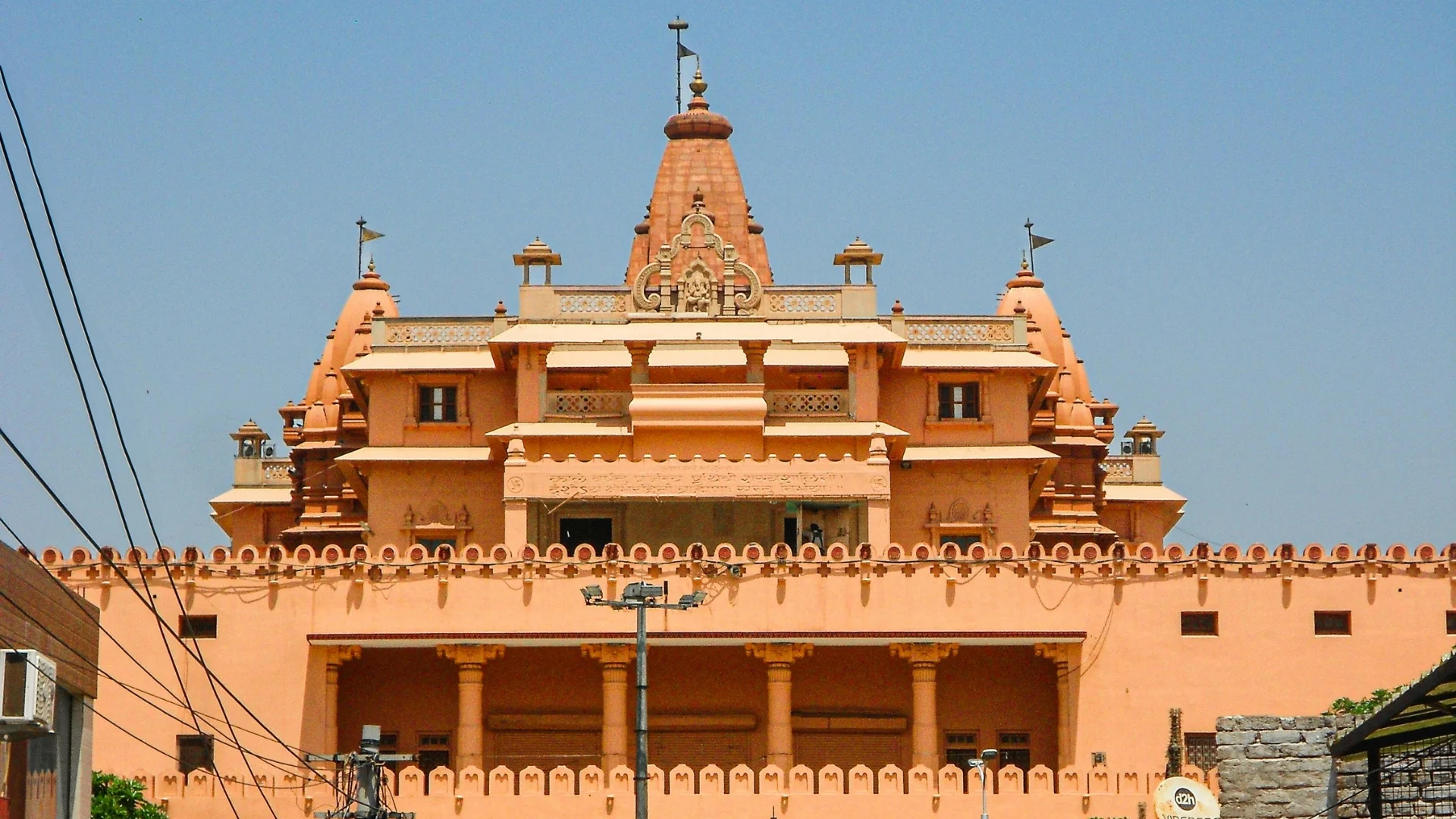
About an hour or two apart lie Mathura and Vrindavan-one of the most
sacred towns. Mathura is considered to be the place where Lord Krishna
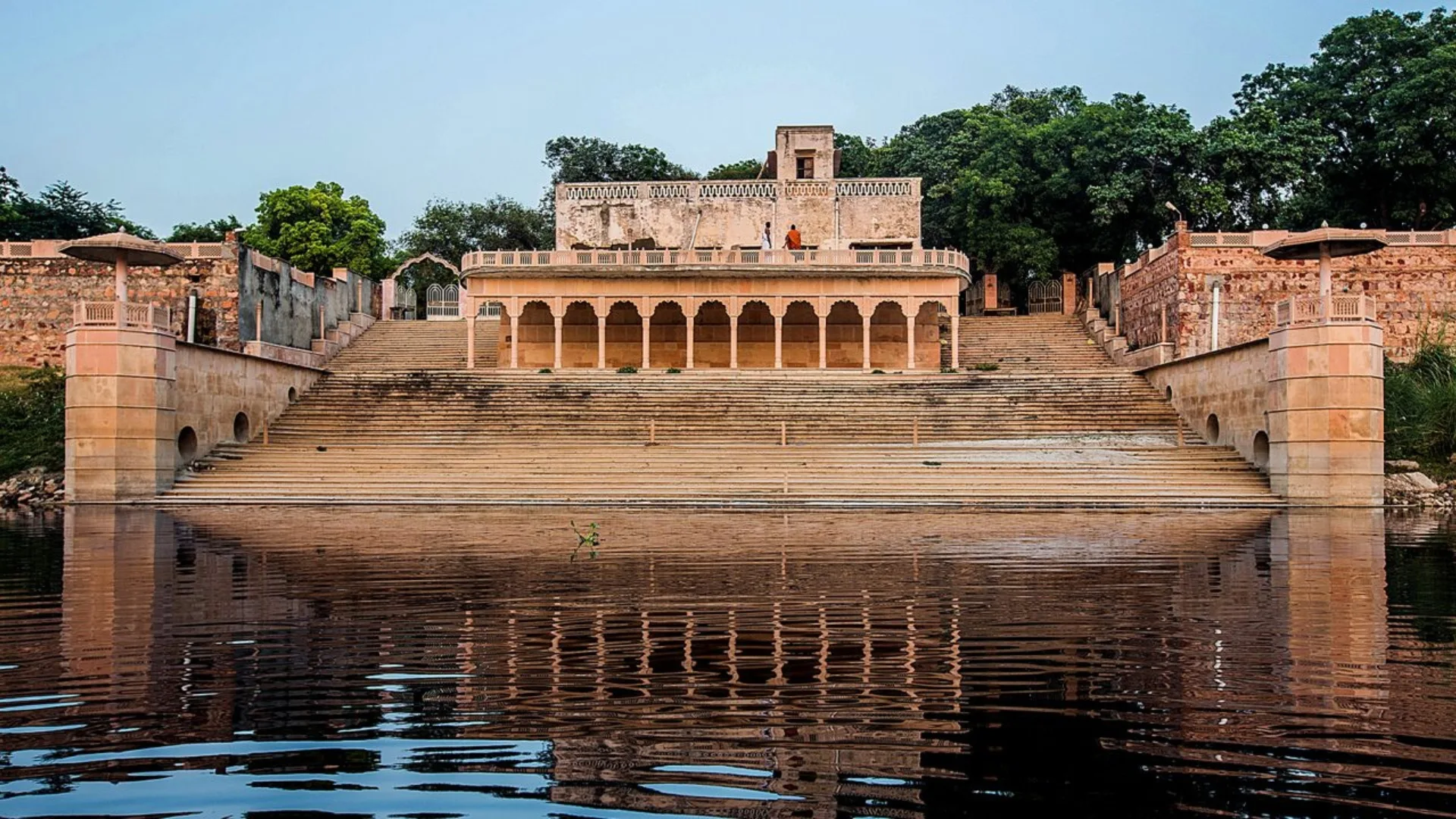
was born, while Vrindavan, situated on the banks of river Yamuna,
blossoms in the glory of his youths and playful leelas (divine acts).
The lanes of the town are dotted with a thousand temples, sacred
ghats, and colorful tales that echo with devotional songs and festival
zeal.
Gokul introduced in this circuit-days gifted another air of rustic
charm to the spiritual trail. Known for its association with Lord
Krishna's childhood days spent away from threats of King Kansa, Gokul
is tranquil and culturally rich, usually less crowded than Mathura and
Vrindavan, thus allowing an intimate experience for devotion.
Collectively, Bhratpur, Mathura, Vrindavan, and Gokul make a
well-rounded circuit replete with the presence of wildlife, heritage
architecture, and the fantastic saga—the making of an intense short
excursion.
History
Bharatpur is said to have been founded during the first quarter of the
18th century by the King of Brij, Maharaja Suraj Mal, a genius Jat
ruler of military strategy and administration. If there is any
evidence of his magnificent legacy, it lies in the Lohagarh Fort (Iron
Fort), which, famous for defying repeated assaults from the British
and Mughals, was never really subdued! Unlike so many other Rajput
states, Bharatpur did manage to forge with her own unique name in
regional politics and defense.
Mathura, on the other hand, has an ancient past. It was an important
city during Mauryan days and later prospered under the Kushanas and
the Guptas. However, above all, it is famed as the Janmabhoomi of Lord
Krishna and occupies a central position in Hindu theology.
Vrindavan and Gokul are two of the most important locations in Braj
Bhoomi, where it is believed Krishna spent his childhood performing
divine pastimes with Radha and the gopis (female cowherds). Over
centuries, this area has remained sanctified by temple construction
and devotional celebrations, drawing pilgrims from all over the world.
Best Time to Visit
Ideally, this should be a three-day tour to discover heritage and
spirituality in India during the months of October to March, when the
weather is suitable and nature is at its best. Even the Bharatpur Bird
Sanctuary sees its best during the winter months when thousands of
migratory birds arrive, including the endangered Siberian Crane,
pelicans, and storks.
Festivals are the best time to experience Mathura and Vrindavan:
-
Holi (Feb-March): A grand and spiritually charged celebration of
colors.
-
Janmashtami (August-September): Celebrates Krishna's birth with
midnight prayers, bhajans, and processions in the temple.
Summer (April-May): is scorching and not very suitable for outdoor
travel.
Monsoon (July-September): will usher in a lot of greenery but can act
as a deterrent in travel due to heavy showers and slippery paths.
Best Food to Try
One of the highlights of this trip is the delicious, region-specific
cuisine, with plenty of vegetarian and Satvik options.
In Bharatpur:
-
Dal Baati Churma: A traditional Rajasthani meal featuring baked
wheat balls, lentils, and sweet crumbled wheat with ghee.
-
Gatte ki Sabzi: Chickpea flour dumplings cooked in a spicy yogurt
gravy.
-
Bajra Roti & Lehsun Chutney: A hearty, rural meal made from
pearl millet flatbread.
In Mathura:
-
Mathura ke Pede: Soft, rich milk-based sweets that are iconic to the
city.
-
Lassi: Thick, creamy, and served chilled — the perfect mid-day
refreshment.
-
Street-side Kachori-Sabzi: A popular breakfast combo with crisp
kachoris and spicy potato curry.
-
Chhappan Bhog: A divine offering of 56 delicacies traditionally
served to Lord Krishna.
In Vrindavan:
-
Satvik Bhojan: Offered in temples and ashrams, these meals are
prepared without onion and garlic, often served in brass or leaf
plates.
Don’t miss Thalis at Govind Dev Temple or ISKCON’s Govinda Restaurant
for a wholesome spiritual-meets-culinary experience.
Tips for Planning
-
Bring binoculars and a DSLR camera: Essential for capturing birdlife
in Bharatpur.
-
Wear comfortable walking shoes: You’ll be navigating temples, parks,
and local bazaars.
-
Dress modestly and follow temple etiquette: Many temples restrict
entry without proper attire and don’t allow photos inside sanctums.
-
Carry small change and cash: Especially in Gokul and local eateries
where cards/UPI may not work.
-
Avoid large luggage: Travel light, as you’ll be hopping between
cities.
-
Check darshan and aarti timings: Especially for Banke Bihari Temple
(crowded during peak hours) and Prem Mandir’s light and sound show
in the evening.
-
Hire local guides: Especially in Gokul (for lesser-known Krishna
tales) and Bharatpur (for bird identification and park routes).