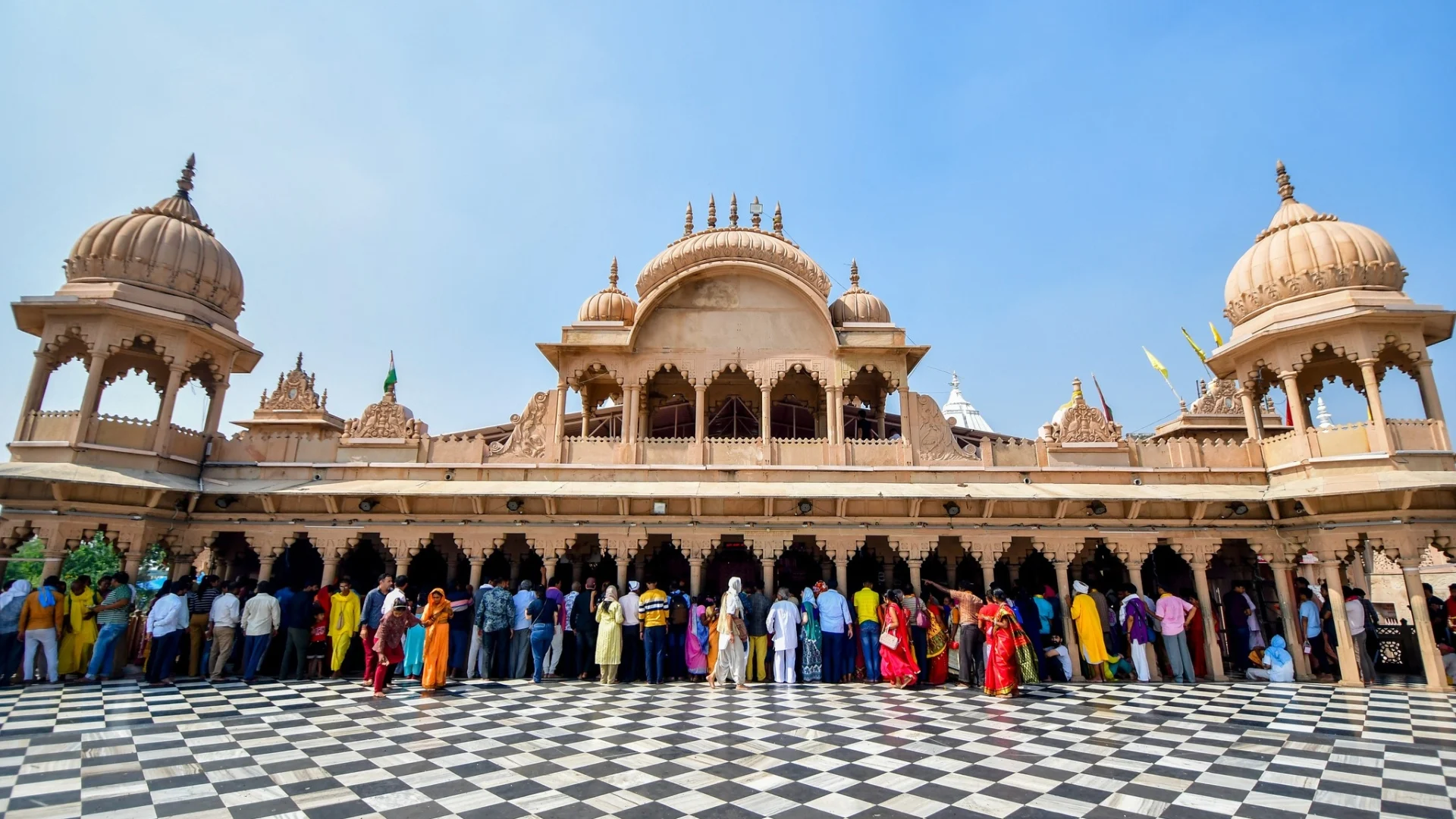
About the Place
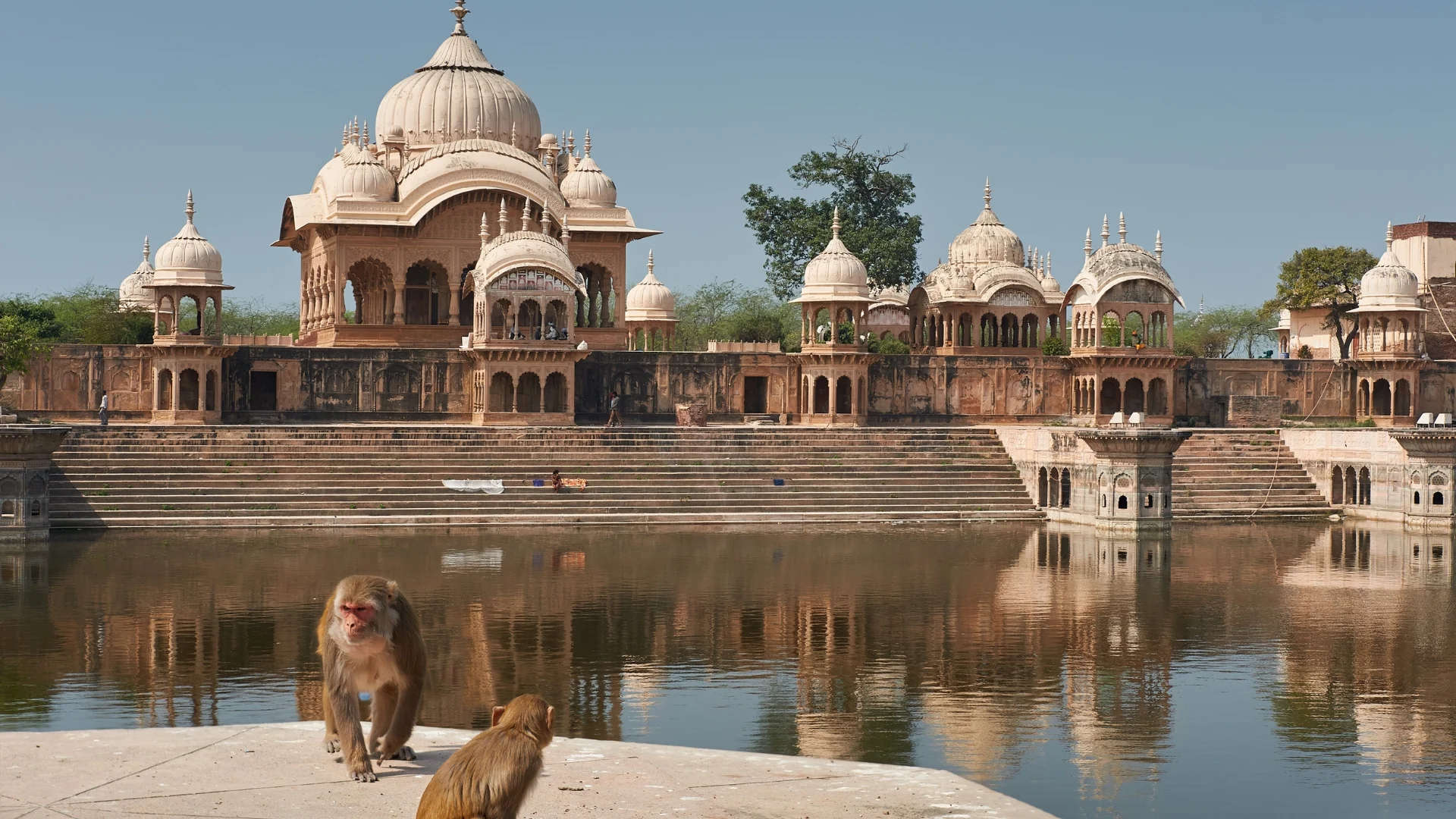
Placed on the holy banks of the Yamuna River in Uttar Pradesh, Mathura
and Vrindavan are considered prime centers of Braj Bhoomi area of Lord
Krishna. Mathura holds the honor of being the birthplace of Krishna.
The Lord was born in a prison cell during the rule of the tyrant,
Kansa. Not far from it, Vrindavan is a place where his childhood
stories full of divine frolics, love, and devotion took place —
playing the flute by the Kadamba trees and performing rasleelas with
Radha and gopis.
Both towns speak through their tremendous spiritual force. In Mathura,
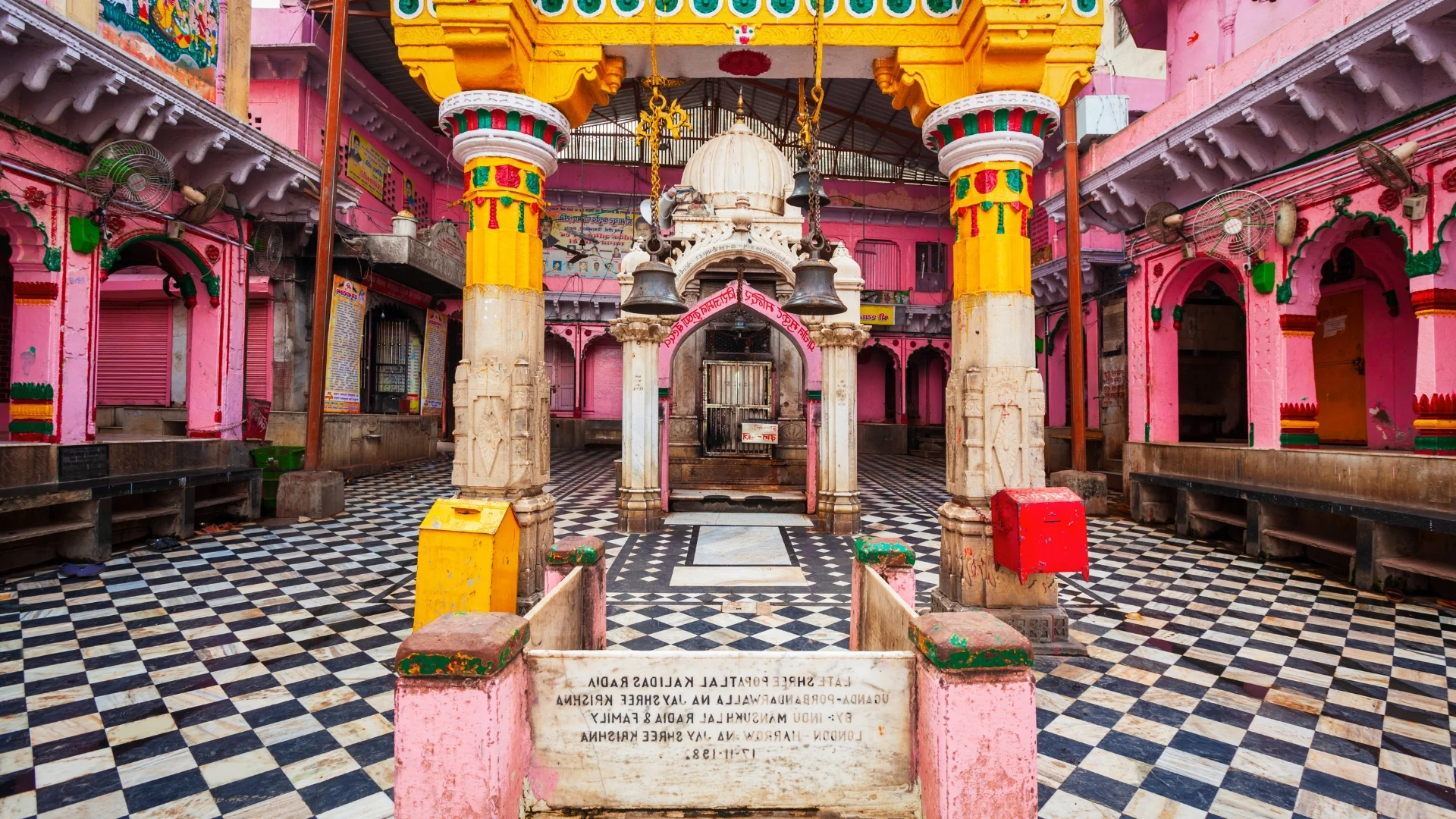
the temple complexes of Krishna Janmabhoomi and Dwarkadhish provide
mighty living images of Krishna. Vrindavan enthralls you with the
colorful vibes of Banke Bihari Temple, ISKCON temple, and the
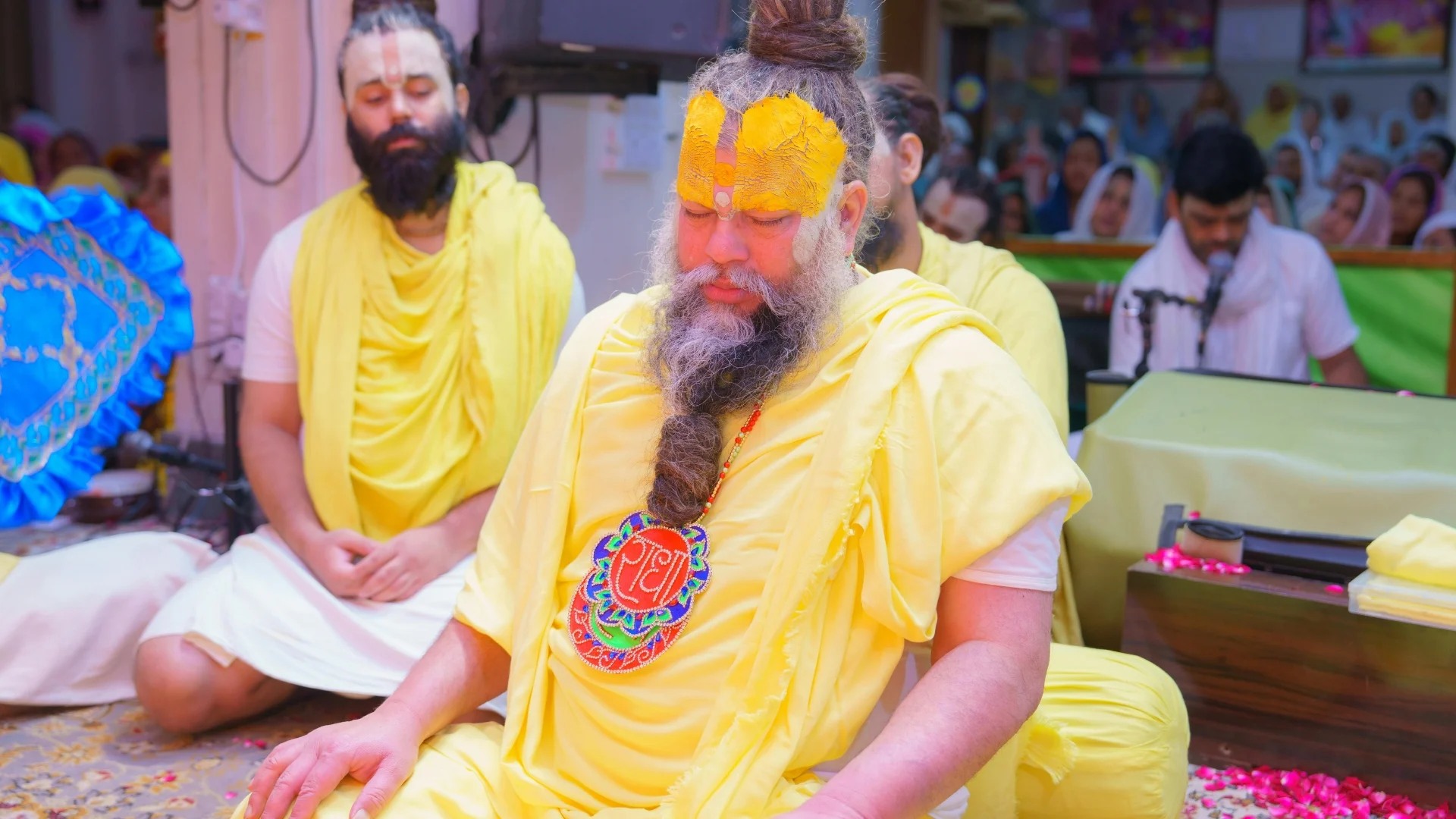
illuminated Prem Mandir. At every corner, saffron-clad devotees
chanting bhajans can be spotted, along with holy cows roaming free and
sweet incense in the air.
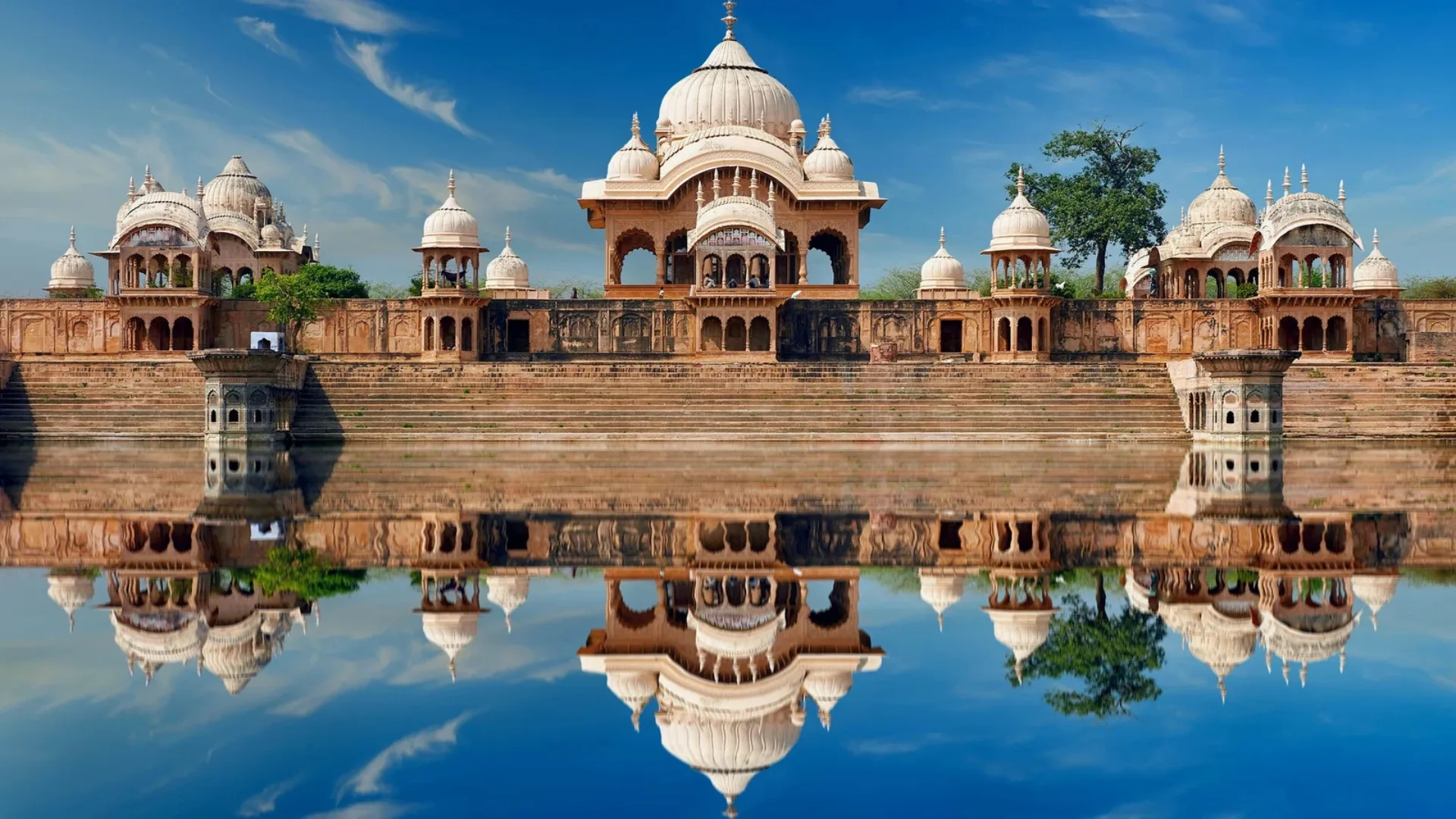
Alongside the tourists and pilgrim hordes who trek to Govardhan Hill,
said to have been lifted by Krishna, Radha Kund is where Radha and
Krishna's love went forever. Mathura and Vrindavan don't just offer a
visit; they open the portals for one of the purest and emotionally
charged spiritual experiences known to man in this part of India.
Rich Heritage and History of the Region
With a history of over 5,000 years, the places of Mathura and
Vrindavan have thoroughly permeated India's religious and cultural
consciousness. Born of Indian mythos, Mathura finds mention in ancient
scriptures such as the Mahabharata and Vishnu Puranas as the city of
birth of Lord Krishna, Vishnu's avatara. The popular belief is that He
was born to Devaki and Vasudeva at Mathura and then secretly taken
across the Yamuna river to Gokul to save Him from the wrath of King
Kansa.
By the 6th century BCE, Mathura had become a reputed center for art,
trade, and spirituality. It was the capital of the Mathura School of
Art during the Kushan Empire. The Chinese travelers, Huen Tsang among
them, have praised its spiritual atmosphere and scholastic fervor.
By then, Vrindavan had become significant during the Bhakti Movement
when saints like Chaitanya Mahaprabhu found it again in the 15th–16th
century. Temples were built at places where Krishna was believed to
perform leelas of stealing butter, dancing away with the gopis, and
propagating divine love.
These cities kept rebounding against Mughal invasions and repeated
temple destruction through the spirit of their citizens and royal
patronage. Today, Mathura and Vrindavan stand as living monuments of
devotion, singing bhajans, ancient stories, and the eternal love of
Radha and Krishna.
Best Time to Visit This Spiritual & Cultural Circuit
The most pleasant time to explore Mathura and Vrindavan is between
October and March, when the weather is cool and ideal for sightseeing,
temple hopping, and outdoor rituals. Early mornings by the Yamuna
River, accompanied by aarti and chants, feel especially surreal during
this season.
Key Festivals to Experience:
-
Janmashtami (Aug–Sept): Krishna’s birthday is marked with midnight
aartis, dramatic recreations of his birth, and temple processions.
-
Holi (Feb–March): In Barsana and Vrindavan, Holi is a week-long riot
of colors, flowers, and laughter — one of India’s most iconic
experiences.
-
Radha Ashtami (Sept): Celebrates Radha Rani’s birth with decorative
processions and devotional music.
-
Govardhan Puja (Next day after Diwali): Commemorates Krishna lifting
the Govardhan Hill to protect villagers.
Avoid visiting from April to June, as daytime temperatures can soar
above 42°C, making walking around temples extremely difficult. Monsoon
(July–August) brings lush landscapes but also slippery ghats and
flooded lanes.
To enjoy a quieter experience, plan your visit during weekdays or the
months just after major festivals like November or February. These
months strike the perfect balance between good weather and manageable
crowds.
Best Food to Try
In Mathura-Vrindavan, food is not just a meal—it’s a spiritual
offering. As prominent pilgrimage centers, both towns follow a strict
vegetarian and sattvic food tradition, often excluding even onion and
garlic. Despite this, the culinary variety is rich and satisfying.
Must-Try Local Delicacies:
-
Mathura Peda: A milk-based sweet, grainy yet soft, offered at most
temples and perfect as a takeaway gift.
-
Kachori-Sabzi: A deep-fried, flaky snack served with spicy potato
curry — ideal for breakfast.
-
Bedai with Aloo Sabzi: A crispy version of puri served with tangy
potato curry.
-
Lassi and Rabri: Cool, thick yogurt-based drinks topped with cream
and dry fruits.
-
Sattvik Thalis: Balanced meals with chapati, dal, sabzi, chutney,
and a sweet dish.
Recommended Places to Eat:
-
Brijwasi Sweets (Mathura): Renowned for peda, jalebi, and chaats.
-
MVT Restaurant (Vrindavan): Located inside the ISKCON guest house,
known for calm ambiance and continental veg options.
-
Ammaji’s Kitchen: Serves traditional, temple-style food with a
homely taste.
- 56 Delight: Affordable, clean spot for full thali meals.
While exploring, you’ll also find street-side vendors offering poha,
samosas, and jalebis. Just ensure cleanliness before indulging,
especially in warmer months.
Tips for Planning
-
Start Early: Temples open around 5:00–6:00 AM. Visiting early means
cooler temperatures and fewer crowds.
-
Dress Modestly: Temples are traditional spaces. Light cotton
clothing that covers shoulders and legs is ideal.
-
Plan Around Crowds: If you're crowd-averse, avoid weekends and
festival days. Visit on weekdays or off-season months like November
or February.
-
Stay Close to Key Spots: Choose accommodation near major temples to
save time and energy.
-
Pre-Book Lodging: Especially during Holi and Janmashtami, hotels
fill up months in advance.
-
Hire Local Guides: They can share hidden stories, recommend quiet
ghats, and help with temple etiquette.
-
Cash is King: While digital payments are increasing, many stalls and
rickshaws still prefer cash.
-
Respect Temple Rules: Some temples ban phones or photography. Always
check signs or ask.
-
Footwear: Since you’ll remove shoes often, wear easy-to-slip-off
sandals.
-
Safety: Keep belongings secure in crowded areas. A waist pouch or
sling bag is practical.
-
Stay Hydrated & Carry Sunscreen: Especially important in summer
months.
By keeping these tips in mind, your visit will be peaceful, memorable,
and spiritually fulfilling.